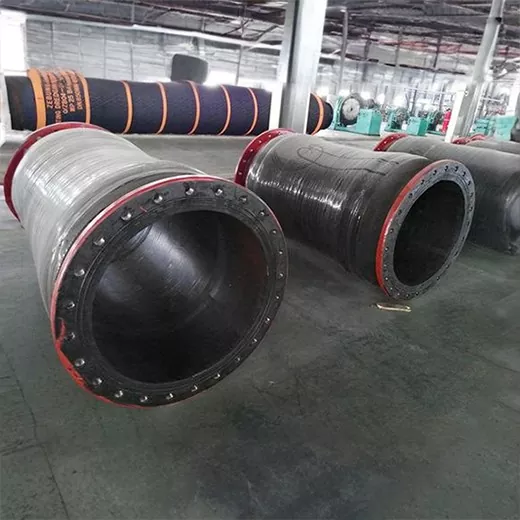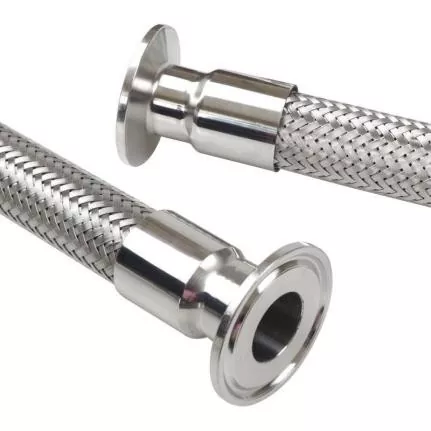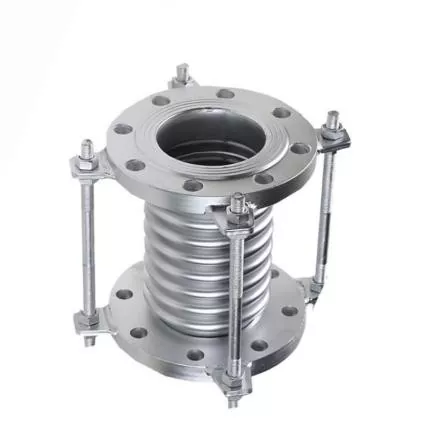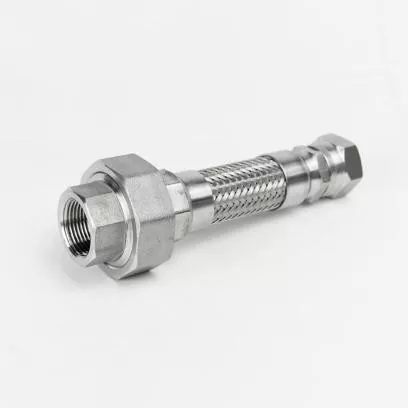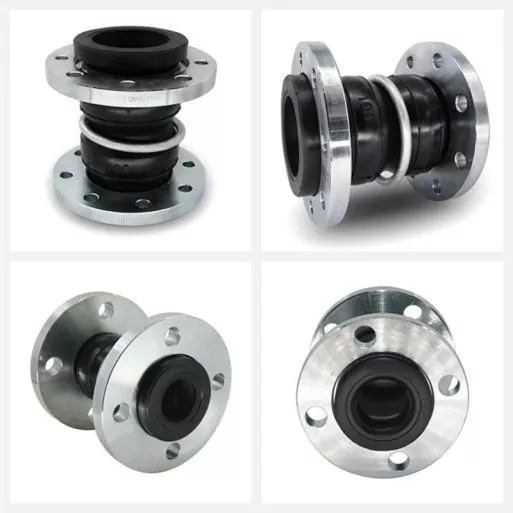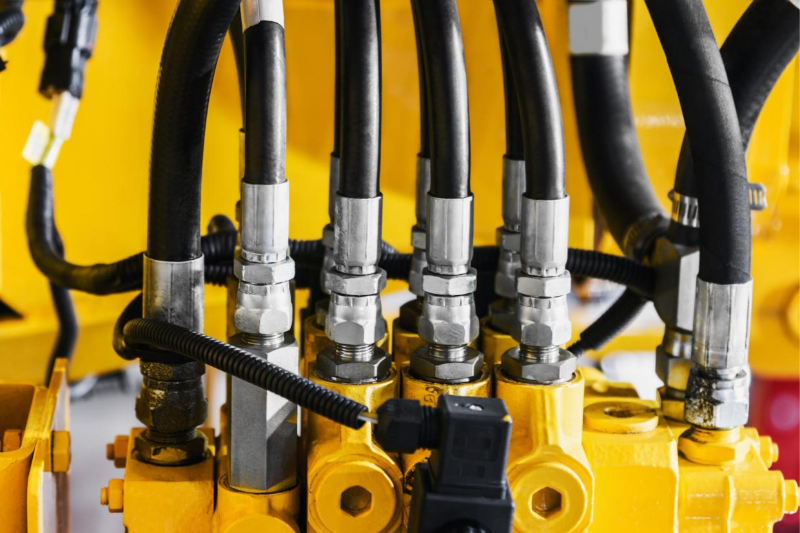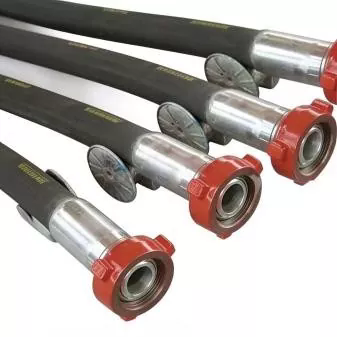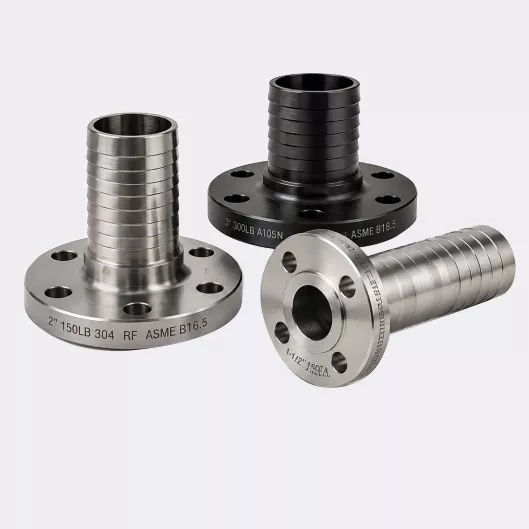
When large equipment, pump units, pipelines, or mobile systems require reliable fluid transfer while allowing for vibration and movement, the Large Diameter Flexible Flanged Rubber Hose from JIDONGDA provides a practical connection solution. Designed around a flexible rubber hose body, reinforcement structure, and flanged ends, it can be configured for water, seawater, slurry, mineral slurry, sand, gravel, tailings, and other suitable industrial media.
Large-diameter pipeline systems often face challenges that rigid piping cannot easily accommodate. Pump vibration, equipment displacement, installation deviation, and repeated assembly can create additional stress around connection points. A flexible rubber hose can provide a controlled flexible section between equipment and pipelines while maintaining the required conveying capacity.
JIDONGDA's solution combines a rubber hose body with reinforcement layers and flange connections. Depending on operating conditions, the structure can include reinforced fabric and spiral steel wire support for applications involving pressure or vacuum requirements. Flange dimensions can also be matched to common standards or customer drawings, making the hose suitable for customized industrial projects.
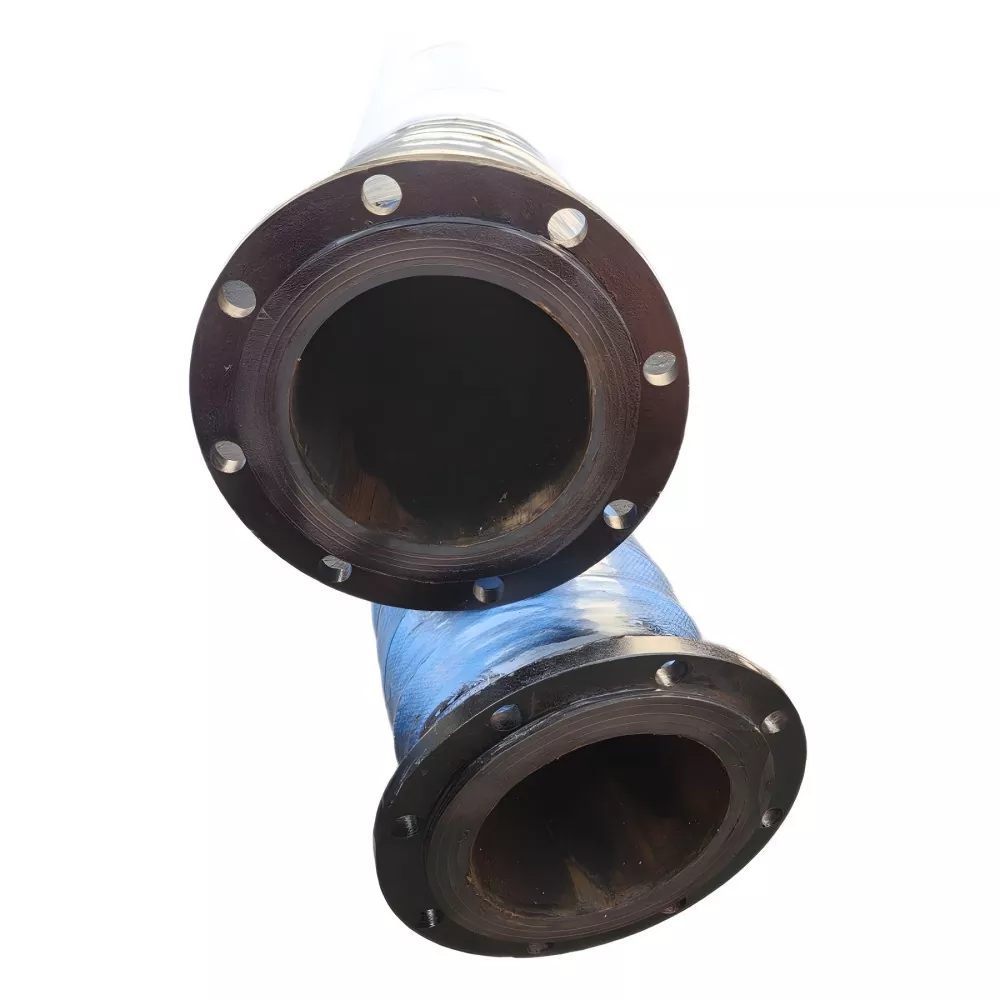
Table of Contents
- What Is a Large Diameter Flexible Flanged Rubber Hose?
- Why Is Flexibility Important in Large Pipeline Systems?
- How Is the Hose Constructed?
- What Are the Key Advantages?
- Where Is It Commonly Used?
- What Technical Parameters Should Buyers Consider?
- How Should Buyers Select the Right Hose?
- How Can Service Life Be Supported?
- Frequently Asked Questions
- Conclusion
What Is a Large Diameter Flexible Flanged Rubber Hose?
A large-diameter flexible flanged rubber hose is an industrial hose assembly designed to transport fluids or particulate-containing media while also functioning as a flexible connection between equipment and fixed or mobile pipelines.
Unlike a completely rigid connection, the rubber hose body can accommodate a certain degree of bending and displacement. Flanges installed at both ends provide a bolted connection with pumps, valves, pipelines, vessels, or other equipment. This combination makes the hose particularly useful where conveying capacity and connection flexibility are both important.
Depending on the project, the hose may be configured for water, seawater, slurry, mineral slurry, sand and gravel, tailings, and selected industrial media. For abrasive materials, the inner rubber compound and reinforcement structure should be selected according to the actual medium and operating conditions.
Why Is Flexibility Important in Large Pipeline Systems?
Large industrial pipelines are not always exposed to static conditions. Pumps generate vibration, mobile equipment changes position, and installation tolerances can result in slight misalignment between connected components. If these movements are transferred directly into rigid piping, additional stress can develop around joints and equipment interfaces.
A flexible rubber hose creates a flexible section within the pipeline. Its ability to bend and accommodate certain displacement can help make equipment connections more adaptable to real operating conditions.
- Helps accommodate equipment vibration.
- Allows certain pipeline displacement.
- Provides flexibility around equipment connections.
- Can simplify connections where installation space is limited.
- Supports applications requiring equipment removal or repeated installation.
- Can be configured for different media and operating conditions.
The actual allowable bending radius, displacement range, pressure rating, and installation method should always be confirmed against the specific hose construction and project requirements.
How Is the Hose Constructed?
The performance of a large-diameter rubber hose depends on the interaction of its internal rubber layer, reinforcement, outer rubber layer, and end connections. A properly selected structure helps the hose withstand the mechanical and environmental conditions expected during service.
Inner Rubber Layer
The inner rubber layer is in direct contact with the transported medium. Its formulation should therefore be selected according to the characteristics of the material being conveyed, particularly when the system handles abrasive slurry, mineral particles, seawater, or other demanding media.
Reinforced Fabric Layer
Reinforced fabric layers help support the hose structure and carry pressure loads. The reinforcement design should correspond to the required diameter, pressure, length, and operating conditions.
Spiral Steel Wire Reinforcement
When suction or vacuum support is required, a spiral steel wire reinforcement structure can be incorporated. This configuration should be specified according to the actual vacuum conditions rather than selected solely on the basis of hose diameter.
Outer Rubber Layer
The outer rubber layer provides protection against environmental exposure and contributes to the hose's resistance to external aging and operating conditions.
Flanged Ends
Flanges provide a practical bolted connection between the hose and the surrounding pipeline or equipment. JIDONGDA can configure carbon steel, stainless steel, or other flange materials according to the application, standard, or customer drawing.
What Are the Key Advantages?
Selecting the appropriate flexible hose can address several common challenges in large-diameter conveying systems. The principal advantages include:
- Flexible connection capability: The rubber body allows certain bending and displacement, making it suitable for equipment interfaces affected by vibration or movement.
- Large-flow conveying: A large internal diameter can support high-volume media transfer where project conditions require greater flow capacity.
- Convenient flange integration: Flanged ends can be matched with common standards or customized according to technical drawings.
- Adaptable reinforcement: Fabric reinforcement and optional spiral steel wire structures can be selected according to pressure and vacuum requirements.
- Media adaptability: Suitable inner rubber compounds can be selected for water, slurry, mineral slurry, sand, gravel, and other specified media.
- OEM and ODM flexibility: Diameter, length, pressure, vacuum, temperature, flange configuration, rubber compound, and color can be customized for non-standard applications.
Where Is It Commonly Used?
The application of a large-diameter flexible flanged hose extends across industries where large-volume material transfer and flexible equipment connections are required.
| Industry | Typical Application | Key Consideration |
|---|---|---|
| Mining | Mineral slurry and tailings conveying | Abrasion, particle size, concentration, pressure |
| Dredging | Slurry, sludge, and sand transfer | Vacuum, abrasion, flow rate, flexibility |
| Ports | Large-flow liquid and material transportation | Diameter, medium compatibility, flange matching |
| Sand & Gravel | Water-sand mixtures and particle conveying | Wear resistance and reinforcement |
| Construction Machinery | Flexible pump and mobile pipeline connections | Movement, bending space, pressure |
| Industrial Conveying | Industrial water, slurry, and suitable media | Temperature, pressure, rubber compound |
For projects involving specialized media or severe operating conditions, buyers should provide detailed application information before finalizing the hose construction.
What Technical Parameters Should Buyers Consider?
A hose should not be selected solely by nominal diameter. A complete specification must consider the mechanical, chemical, thermal, and connection requirements of the application.
| Parameter | Why It Matters |
|---|---|
| Inner Diameter | Determines the available flow passage and connection size. |
| Length | Influences installation geometry, movement allowance, and bending conditions. |
| Working Pressure | Determines the required reinforcement and overall hose construction. |
| Working Vacuum | Important for suction applications and selection of vacuum-support structures. |
| Working Temperature | Determines whether the selected rubber compound is suitable for the medium and environment. |
| Conveying Medium | Influences rubber compound selection and wear resistance requirements. |
| Flow Rate | Helps determine the appropriate diameter and operating configuration. |
| Flange Standard | Ensures compatibility with the mating equipment or pipeline. |
JIDONGDA's product information indicates that flange connections can be configured according to GB, DIN, ANSI, JIS, ASME, or customer drawings. Final specifications should be confirmed based on the actual project rather than assumed from a general catalog description.
How Should Buyers Select the Right Hose?
For industrial purchasing teams, providing complete operating information at the quotation stage can make technical confirmation more efficient. A useful specification sheet should include:
- Required inner diameter.
- Total hose length.
- Normal and maximum working pressure.
- Required vacuum pressure for suction service.
- Type of conveying medium.
- Operating and ambient temperature.
- Required flow rate.
- Required bending or displacement range.
- Flange standard and dimensions.
- Required quantity and delivery destination.
Abrasive applications require additional information. For example, mineral slurry projects should identify particle size and concentration so that the inner rubber and reinforcement structure can be evaluated appropriately.
Buyers can also review related solutions such as large diameter flanged rubber hose, large diameter dredging rubber hose, and other large diameter rubber hose solutions when comparing different pipeline requirements.
How Can Service Life Be Supported?
Correct installation and regular inspection are important for maintaining the performance of any industrial rubber hose. Even a properly engineered hose can experience premature damage if it is installed incorrectly or operated outside its confirmed limits.
- Do not exceed the confirmed working pressure, vacuum pressure, or temperature range.
- Avoid forcibly stretching, twisting, or sharply bending the hose during installation.
- Check the outer rubber surface for cracks, bulges, cuts, and abnormal wear.
- Inspect flange connections for leakage and signs of loosening.
- Monitor hoses used with abrasive media for unusual wear patterns.
- Stop operation and reassess the working conditions if structural damage or abnormal hose collapse is observed.
Installation should also ensure that the flange faces, bolt holes, sealing surfaces, and mating components are correctly aligned. The hose should not be forced into a position that creates unnecessary mechanical stress.
Frequently Asked Questions
What are the main advantages of a Large Diameter Flexible Flanged Rubber Hose?
Its primary advantages are the combination of large-diameter conveying capacity and flexible connection capability. It can be used where equipment vibration, pipeline displacement, installation deviation, or mobile equipment movement needs to be accommodated.
Can JIDONGDA manufacture the flange according to customer drawings?
Yes. Flange configurations can be confirmed according to applicable standards, dimensions, connection requirements, or customer drawings. The flange material can also be selected according to the project requirements.
Can this type of hose be used for mineral slurry?
Yes. It can be configured for mineral slurry applications. However, particle size, slurry concentration, flow rate, pressure, temperature, and wear conditions should be provided so that the appropriate inner rubber compound and reinforcement structure can be evaluated.
Can the hose be customized for non-standard applications?
Yes. Customization can cover diameter, length, pressure, vacuum pressure, temperature, flange configuration, rubber compound, and color. Customer drawings, samples, or detailed technical parameters can be used during specification confirmation.
What information should I provide when requesting a quotation?
The most useful information includes inner diameter, length, working pressure, vacuum requirement, conveying medium, temperature, flow rate, bending or displacement requirements, flange standard, flange dimensions, quantity, and destination.
What is the typical delivery time?
Standard products can generally be arranged within approximately 7–20 working days, while customized products and special specifications should be confirmed according to the actual order requirements.
Conclusion
A well-selected large-diameter flexible hose can provide an effective connection between high-capacity pipelines and equipment where movement, vibration, installation deviation, or demanding media are involved. The combination of flexible rubber construction, reinforcement layers, and flanged connections makes this hose suitable for a broad range of mining, dredging, port, construction, sand and gravel, and industrial conveying applications.
JIDONGDA supports customized configurations based on diameter, length, pressure, vacuum, temperature, conveying medium, flange requirements, and rubber compound. For projects where standard hose specifications cannot fully match the installation conditions, providing complete technical information allows the hose structure and connection configuration to be evaluated more accurately. If you are sourcing a reliable solution for a demanding pipeline connection, contact us with your drawings, operating parameters, or project requirements to discuss a suitable customized hose solution with JIDONGDA.