English
- English
- Español
- Português
- русский
- Français
- 日本語
- Deutsch
- tiếng Việt
- Italiano
- Nederlands
- ภาษาไทย
- Polski
- 한국어
- Svenska
- magyar
- Malay
- বাংলা ভাষার
- Dansk
- Suomi
- हिन्दी
- Pilipino
- Türkçe
- Gaeilge
- العربية
- Indonesia
- Norsk
- تمل
- český
- ελληνικά
- український
- Javanese
- فارسی
- தமிழ்
- తెలుగు
- नेपाली
- Burmese
- български
- ລາວ
- Latine
- Қазақша
- Euskal
- Azərbaycan
- Slovenský jazyk
- Македонски
- Lietuvos
- Eesti Keel
- Română
- Slovenski
- मराठी
- Srpski језик
China Composite Expansion Joint Supplier
In modern industrial piping systems, managing thermal expansion, vibration, and misalignment is a constant engineering challenge. Composite Expansion Joint provides a versatile, high-performance solution by combining the strengths of multiple materials — typically rubber, fabric, and metal reinforcement — to absorb multidirectional movements while maintaining a tight seal. Unlike conventional metallic or elastomeric joints used in isolation, composite expansion joints are engineered to handle extreme temperatures, corrosive media, and pressure fluctuations without compromising service life. Industries ranging from power generation and chemical processing to marine and water treatment rely on these components to safeguard pump connections, condensers, heat exchangers, and ductwork.
Applications Where Composite Expansion Joints Excel
Because of their hybrid construction, JIDONGDA composite expansion joints are specified across a diverse set of industries. Common installation points include:
Frequently Asked Questions
How do I select the correct elastomer for my application?Ordering Information and Technical Support
When requesting a quotation for a JIDONGDA composite expansion joint, please specify the following to help us respond accurately:
- Nominal pipe size and flange standard (ANSI, DIN, etc.).
- Service medium, temperature, and operating/cold test pressure.
- Required movements: axial compression/extension, lateral, and angular.
- Any special material requirements (lining, cover, reinforcement, flange metal).
- Whether vacuum support rings or control rods are needed.
- Quantity and required delivery lead time.
Our application engineers can cross-reference competitor part numbers or supply technical datasheets with flow-induced vibration analysis upon request. JIDONGDA also offers on-site troubleshooting and failure analysis for existing installations, enabling customers to upgrade older rubber expansion joints with modern composite designs that improve safety and performance.


- View as
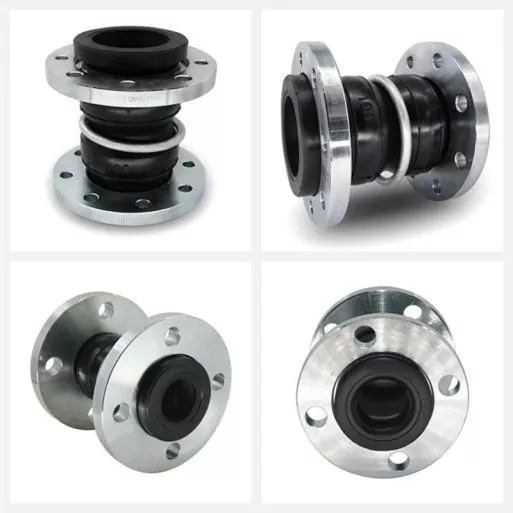
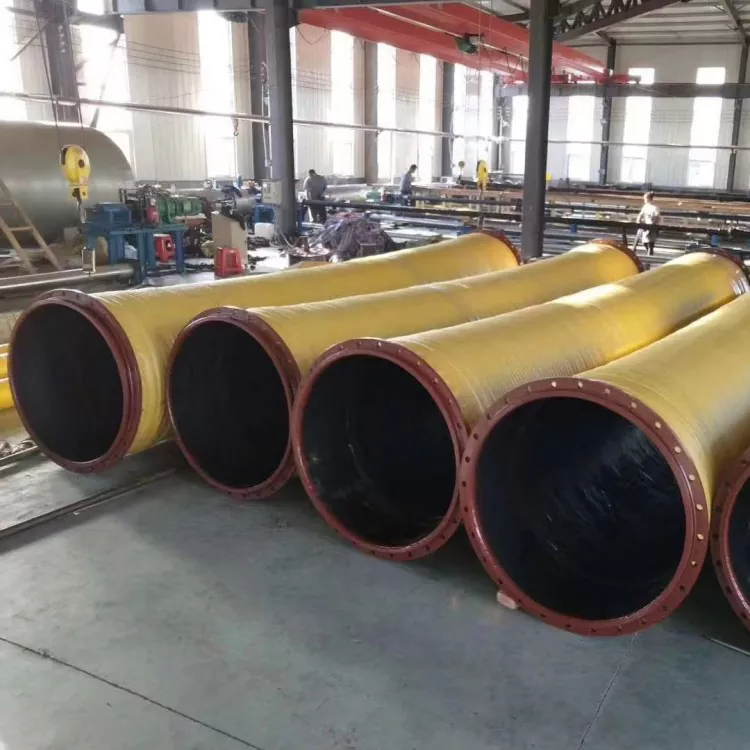
Double Sphere Composite Expansion Joint
Maximize your machine efficiency with premium Double Sphere Composite Expansion Joint engineered by JIDONGDA. Featuring a dual-sphere structure combined with composite reinforced elastomer construction, this expansion joint provides superior movement absorption, vibration isolation, and pressure stability in complex industrial pipelines. As a reputable China manufacturer, we guarantee robust quality control and competitive price advantages. Message us immediately to lock in the best factory price!
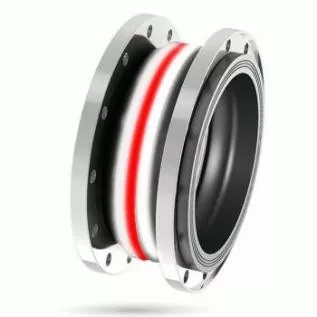
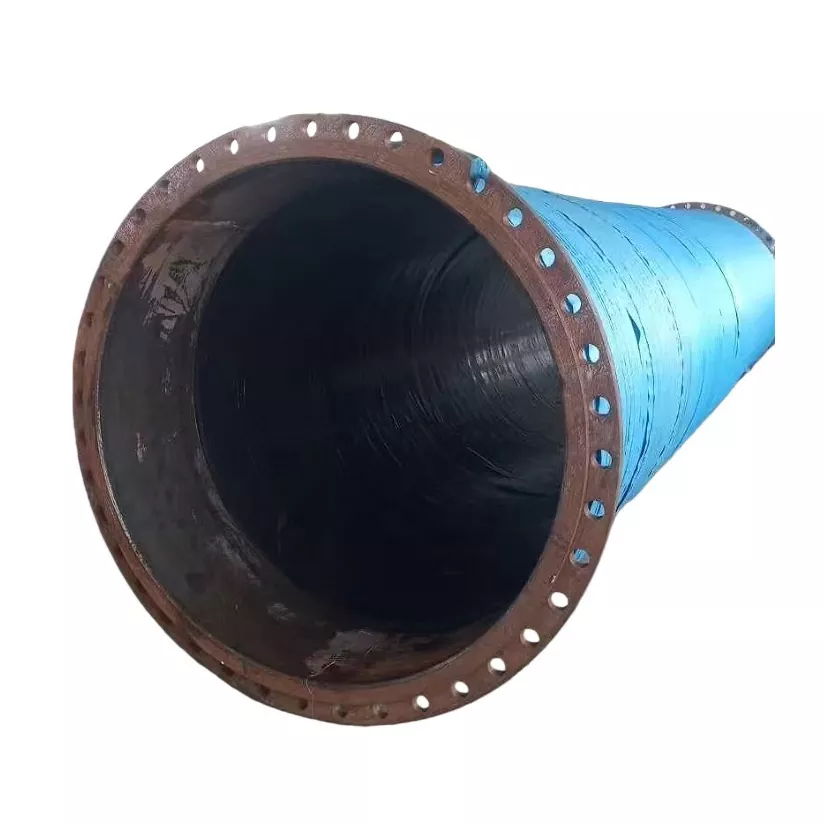
Single Sphere Composite Expansion Joint
Sourced from the famous Jing Zhou rubber base, JIDONGDA is a top-tier supplier specialized in heavy industries. Our premium Single Sphere Composite Expansion Joint guarantees reliable operations. Compared with conventional rubber expansion joints, the composite structure significantly improves mechanical strength while maintaining excellent flexibility, making it suitable for systems with continuous vibration, pressure fluctuation, and thermal movement. Buy wholesale at direct factory price. Reach out to our engineering team now for a quick reply!
JIDONGDA offers premium Composite Expansion Joint manufactured under strict quality standards with reliable delivery and competitive factory pricing. Contact us for more details.