English
- English
- Español
- Português
- русский
- Français
- 日本語
- Deutsch
- tiếng Việt
- Italiano
- Nederlands
- ภาษาไทย
- Polski
- 한국어
- Svenska
- magyar
- Malay
- বাংলা ভাষার
- Dansk
- Suomi
- हिन्दी
- Pilipino
- Türkçe
- Gaeilge
- العربية
- Indonesia
- Norsk
- تمل
- český
- ελληνικά
- український
- Javanese
- فارسی
- தமிழ்
- తెలుగు
- नेपाली
- Burmese
- български
- ລາວ
- Latine
- Қазақша
- Euskal
- Azərbaycan
- Slovenský jazyk
- Македонски
- Lietuvos
- Eesti Keel
- Română
- Slovenski
- मराठी
- Srpski језик
China Flange Fittings Manufacturer
Flange Fitting products from JIDONGDA represent a benchmark in industrial piping connectivity. The precision engineering embedded in every unit ensures leak-free performance across chemical plants, oil refineries, water treatment facilities, and HVAC systems. Made from high-grade materials and subjected to rigorous testing, these fittings deliver consistent flow control and ease of installation.
The JIDONGDA range covers slip-on flanges, weld neck, blind, threaded, socket weld, and lap joint variants. Manufacturing follows ASME B16.5, ASME B16.47, EN 1092-1, and JIS B2220 standards. Material options include carbon steel ASTM A105, stainless steel ASTM A182 F304/F316, alloy steel ASTM A182 F11/F22, and duplex steel ASTM A182 F51. Dimensional accuracy is maintained within ±0.5 mm, and surface finish meets Ra 3.2 μm or finer on all sealing faces.
Frequently Asked Questions
What is the difference between a flange fitting and a regular pipe coupling?
It provides a bolted connection that allows disassembly for maintenance, whereas a coupling is generally a permanent or semi-permanent joint. Flange fitting connections include a gasket between two flange faces to create a seal, and they can withstand higher pressures when properly mated. They are precision-machined so the gasket seating area remains parallel under bolt load, ensuring uniform compression and zero leakage.
How do I choose the correct pressure class for a flange fitting?
Select the pressure class based on the maximum operating pressure and temperature of your system. Refer to the material-specific pressure-temperature rating tables in ASME B16.5. For example, a Class 300 carbon steel flange fitting from JIDONGDA can handle up to 740 psi at 100°F, but the rating drops as temperature rises. Always consider transient conditions such as water hammer or thermal expansion, and consult with JIDONGDA engineers to confirm suitability.
Can JIDONGDA provide custom bore sizes within a standard flange fitting body?
Yes. While table bore dimensions follow standard schedules, JIDONGDA can machine bores to match non-standard pipe inside diameters or flow requirements. This is common when matching existing equipment or meeting reduced-port valve specifications. Custom bores are verified with bore gauges and air micrometres to ensure concentricity with the flange face.
What gasket type works best with a raised face?
For RF flange fittings, spiral wound gaskets with outer rings are widely recommended for high-pressure services. Soft sheet gaskets like PTFE or compressed fibre are suitable for lower classes. The JIDONGDA raised face surface finish of 125-250 μin RMS ensures excellent gasket grip. Always verify chemical compatibility and gasket seating stress before selection.
How should flange fittings be stored prior to installation?
Keep JIDONGDA flange fittings in dry, covered storage. The sealing faces must remain free of scratches and rust. Store them horizontally on padded racks or pallets, with no weight resting on the raised face. Remove only the corrosion protection wrapping immediately before installation. For extended storage, apply a fresh layer of anti-corrosion spray every six months.
After-Sales Technical Support
JIDONGDA provides free application engineering support for the entire lifecycle of your flange fitting installation. Our technicians can review torque calculations, flange stress analysis according to ASME PCC-1, and offer advice on repair of damaged sealing surfaces. On-site supervision for bolt tensioning and flange alignment is available upon request. We also hold periodic webinars and publish technical bulletins covering best practices in flange joint integrity.


- View as

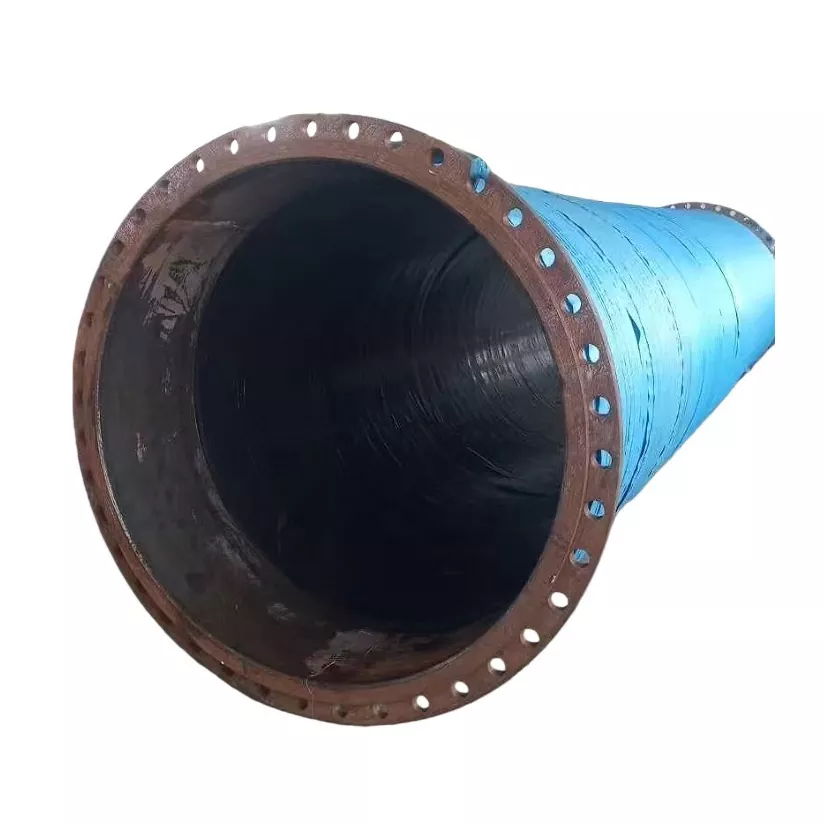
Flanged Hose Connector
JIDONGDA leverages the massive material and labor advantages of China’s top rubber base to offer cost-efficient Flanged Hose Connector. As a top-rated supplier, we provide comprehensive quality assurance and highly competitive price. Message us right now to lock in your special bulk order discount!

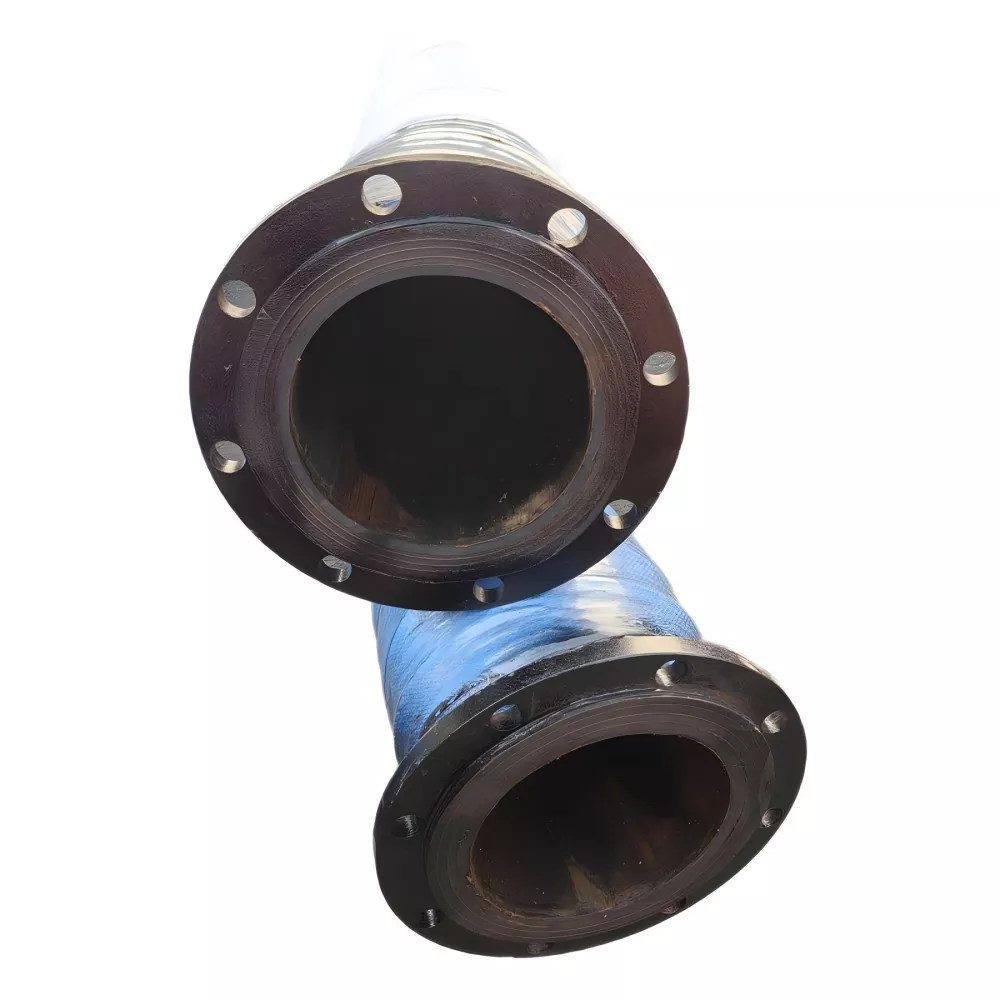
Flange Adapter
Backed by elite technological capabilities and advanced modern management, JIDONGDA factory produces certified Flange Adapter for high-risk heavy industries. Avoid trading markups—buy from a premier manufacturer at direct-to-market price. Click here to submit your RFQ and get a free sample today!
JIDONGDA offers premium Flange Fitting manufactured under strict quality standards with reliable delivery and competitive factory pricing. Contact us for more details.