English
- English
- Español
- Português
- русский
- Français
- 日本語
- Deutsch
- tiếng Việt
- Italiano
- Nederlands
- ภาษาไทย
- Polski
- 한국어
- Svenska
- magyar
- Malay
- বাংলা ভাষার
- Dansk
- Suomi
- हिन्दी
- Pilipino
- Türkçe
- Gaeilge
- العربية
- Indonesia
- Norsk
- تمل
- český
- ελληνικά
- український
- Javanese
- فارسی
- தமிழ்
- తెలుగు
- नेपाली
- Burmese
- български
- ລາວ
- Latine
- Қазақша
- Euskal
- Azərbaycan
- Slovenský jazyk
- Македонски
- Lietuvos
- Eesti Keel
- Română
- Slovenski
- मराठी
- Srpski језик
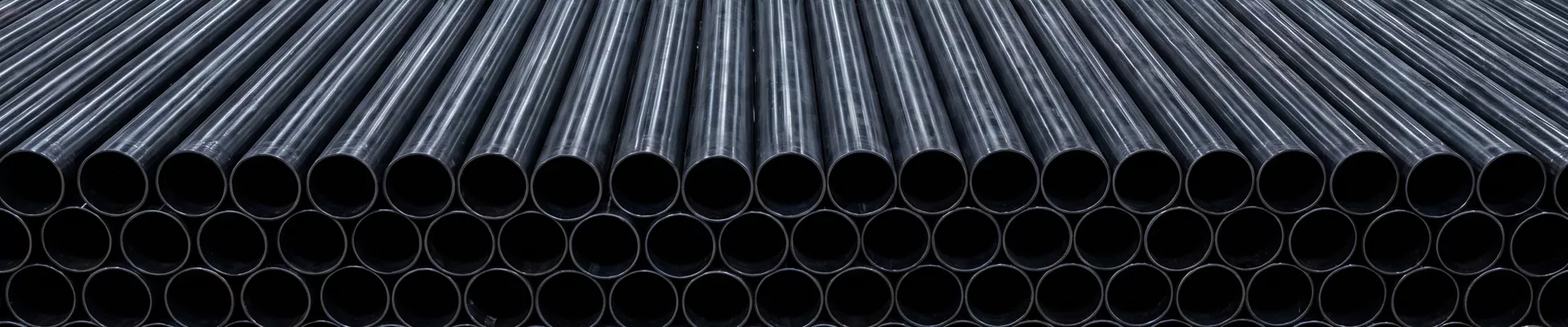
China Customized Welded Fitting Manufacturer
Welded fittings are the backbone of modern piping systems across industries such as oil and gas, petrochemical, power generation, and marine engineering. By permanently joining pipes through welding, these components ensure leak-proof, high-strength connections capable of withstanding extreme pressures and temperatures. Precision manufacturing and material selection determine the reliability of every joint, and understanding the technical parameters is critical for engineers and procurement professionals who demand consistent performance under harsh operating conditions.
At JIDONGDA, every welded fitting is produced under stringent quality control protocols that align with international standards. From raw material traceability to dimensional verification and non-destructive testing, the brand delivers components that minimize lifecycle costs and maximize system integrity.
FAQ
Q: What is the difference between butt-weld and socket-weld fittings, and when should each be used?
A: Butt-weld fittings have beveled ends that align with pipe bevels, creating a full-penetration butt weld joint suitable for any pipe size and pressure class. They are preferred for sizes above 2 inches and in process lines where smooth bore and high integrity are mandatory. Socket-weld fittings have a socket where the pipe slips in, and a fillet weld is made on the outer surface. These are used for small-bore piping (typically ≤4″) in lower-risk services, offering easier assembly but with a crevice between pipe end and socket bottom that can trap corrosive media. Selection depends on line size, fluid properties, and inspection accessibility. JIDONGDA supplies both types, with butt-weld being dominant for industrial applications.
Q: Can welded fittings be used in cyclic or vibration-prone piping?
A: Yes, but fatigue resistance must be evaluated. Butt-weld connections offer smooth stress distribution, which inherently provides better fatigue life than threaded or socket-weld joints. Stress intensification factors (SIFs) defined by ASME B31.3 for elbows, tees, and reducers account for local peak stresses under cyclic loads. When vibration is a concern, specify forged fittings with thick sections, avoid sharp transitions, and consider long-radius elbows over short-radius to reduce SIF. JIDONGDA manufactures fittings from fine-grain forged materials that improve toughness under cyclic service, and offers fatigue analysis support when provided with load spectrums.
Q: What documentation is typically required when procuring welded fittings for critical service?
A: For critical applications, procurement documentation includes a material test certificate (EN 10204 3.1 or 3.2), non-destructive test reports (PT, MT, UT, RT where specified), positive material identification (PMI) results, and a declaration of compliance with the purchase order’s technical requirements. Additional requirements may include heat treatment charts, ferrite content reports for duplex stainless, intergranular corrosion test results per ASTM A262, and Charpy impact test results for low-temperature service. JIDONGDA compiles all these documents into a single electronic package linked to the heat number and fitting serial number for lifetime traceability.
Q: How should welded fittings be stored and handled before installation?
A: Store fittings in a dry, covered area away from contaminants such as chlorides, sulfur compounds, and carbon steel dust if the fittings are stainless or alloy. End protectors should remain in place for beveled ends to prevent damage. Carbon steel fittings should be coated with a rust-preventive oil or wrapped to avoid atmospheric corrosion. Avoid direct ground contact by using pallets or racks. During handling, use nylon slings instead of wire ropes to protect machined surfaces. JIDONGDA applies protective coatings and ships fittings in robust packaging to maintain condition until site delivery, reducing the need for reconditioning.


- View as
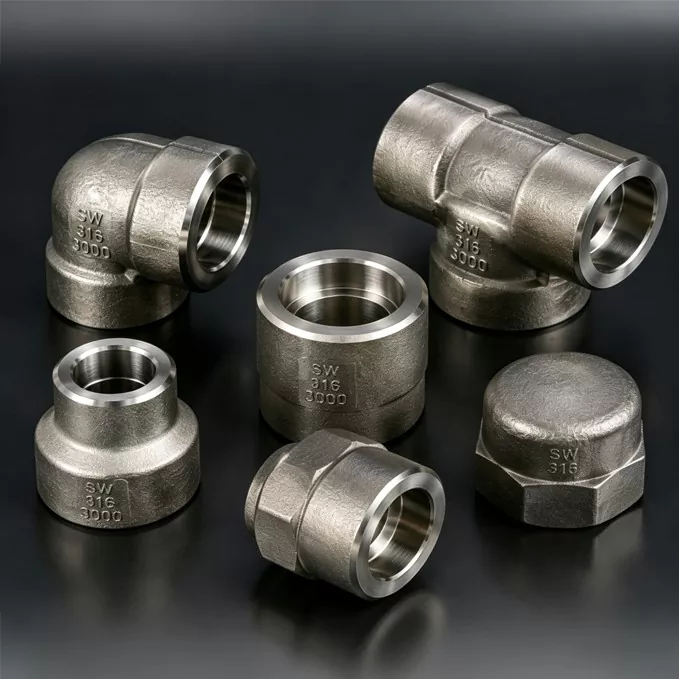
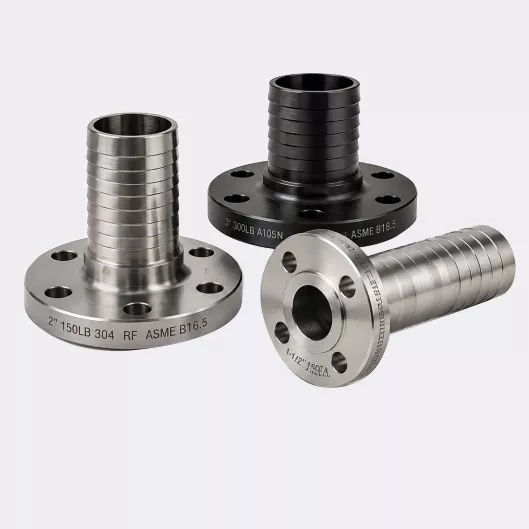
Socket Weld Fitting
JIDONGDA stands out as a large-scale, asset-heavy manufacturer with excellent transportation links near the Beijing-Tianjin economic zone. Get your premium Socket Weld Fitting directly from the source factory at a lower market price. Send your inquiry today for guaranteed fast shipping timelines!

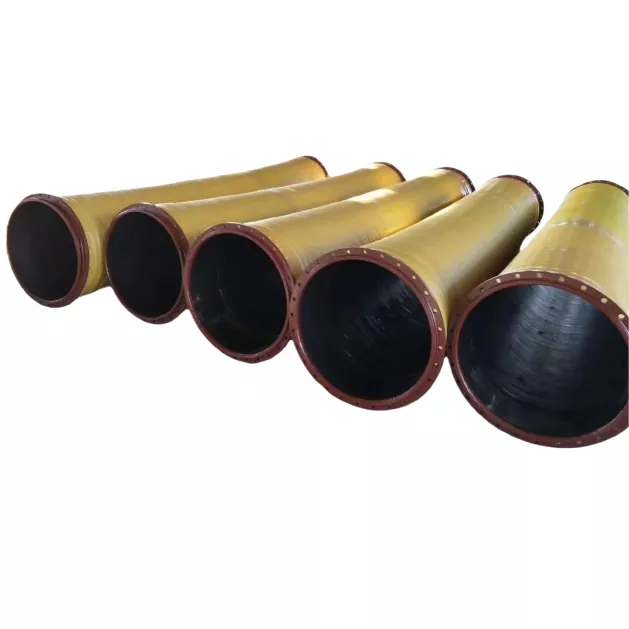
Fillet Weld Fitting
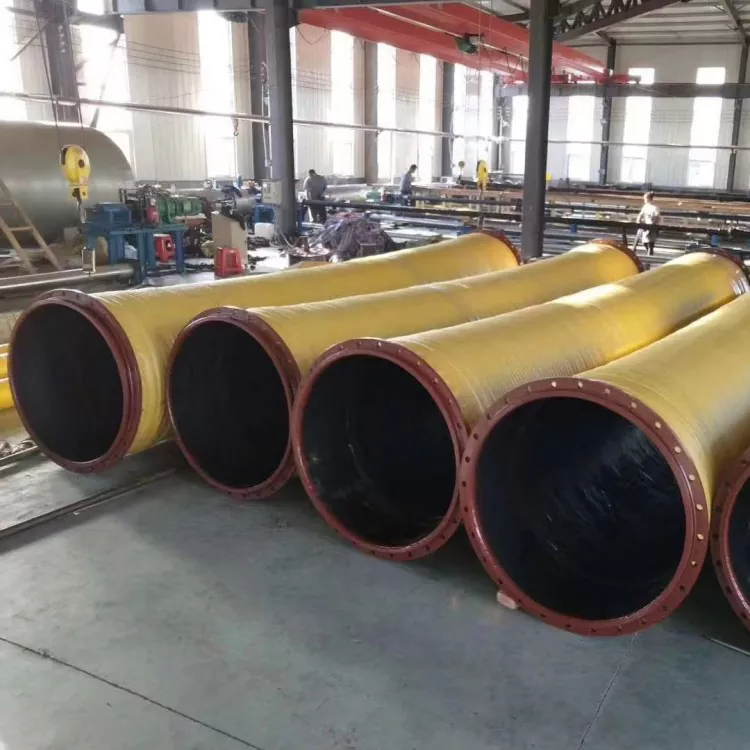
Powered by an elite workforce and precision testing machinery, JIDONGDA factory eliminates product defects before they ship. Buy premium, high-pressure Fillet Weld Fitting from a reputable global supplier at a rock-solid price. Reach out now to get our latest product catalog and price list!
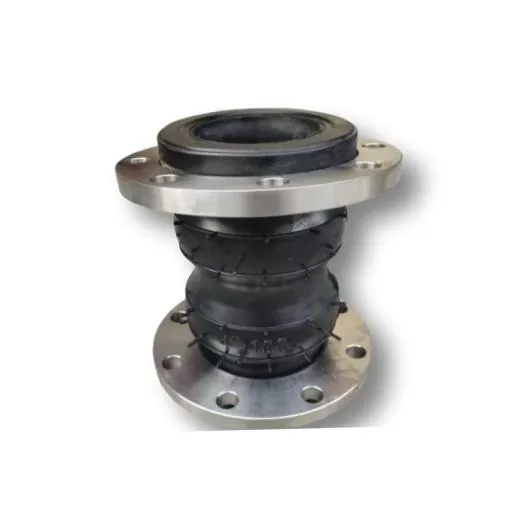
JIDONGDA offers premium Welded Fitting manufactured under strict quality standards with reliable delivery and competitive factory pricing. Contact us for more details.