English
- English
- Español
- Português
- русский
- Français
- 日本語
- Deutsch
- tiếng Việt
- Italiano
- Nederlands
- ภาษาไทย
- Polski
- 한국어
- Svenska
- magyar
- Malay
- বাংলা ভাষার
- Dansk
- Suomi
- हिन्दी
- Pilipino
- Türkçe
- Gaeilge
- العربية
- Indonesia
- Norsk
- تمل
- český
- ελληνικά
- український
- Javanese
- فارسی
- தமிழ்
- తెలుగు
- नेपाली
- Burmese
- български
- ລາວ
- Latine
- Қазақша
- Euskal
- Azərbaycan
- Slovenský jazyk
- Македонски
- Lietuvos
- Eesti Keel
- Română
- Slovenski
- मराठी
- Srpski језик
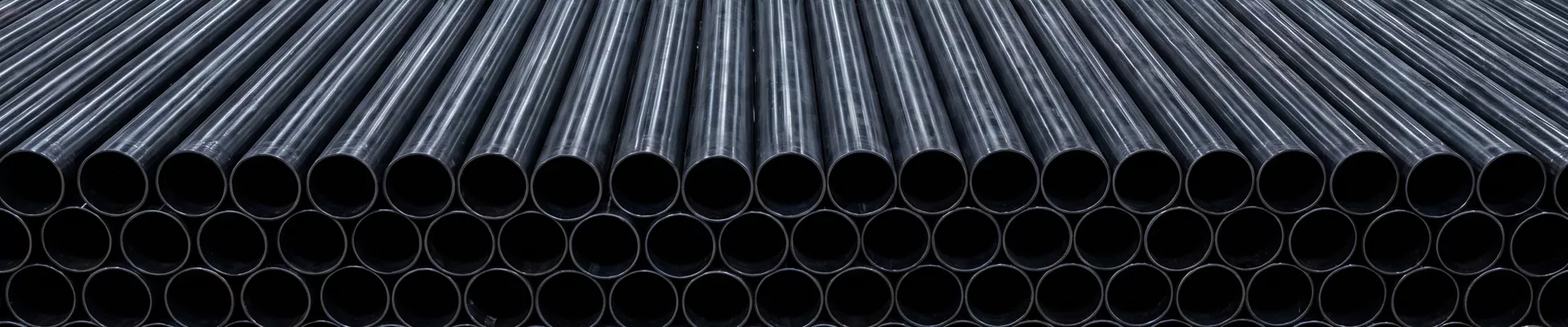


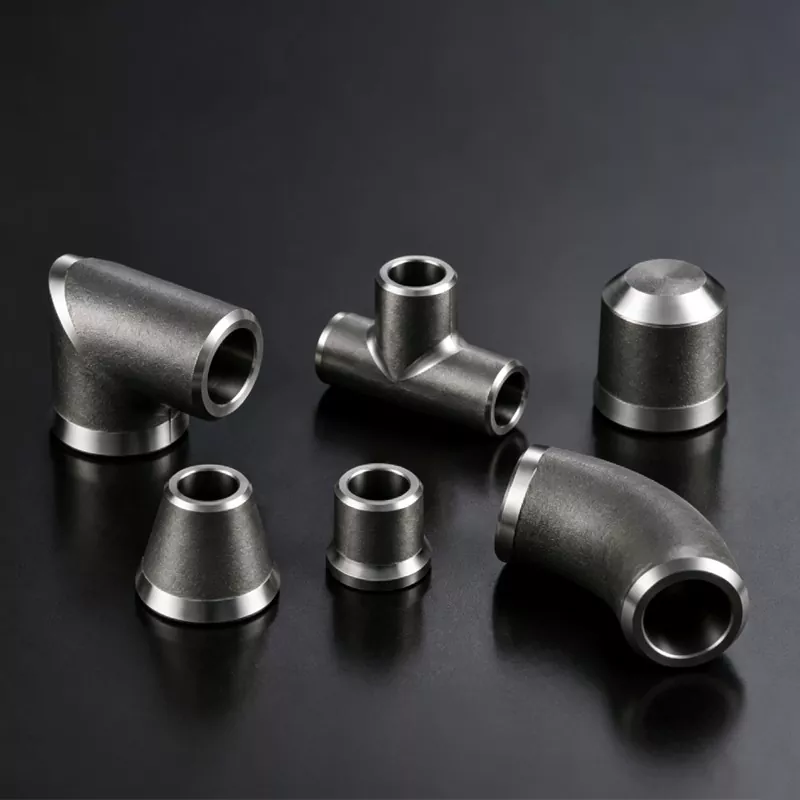
Fillet Weld Fitting
Powered by an elite workforce and precision testing machinery, JIDONGDA factory eliminates product defects before they ship. Buy premium, high-pressure Fillet Weld Fitting from a reputable global supplier at a rock-solid price. Reach out now to get our latest product catalog and price list!
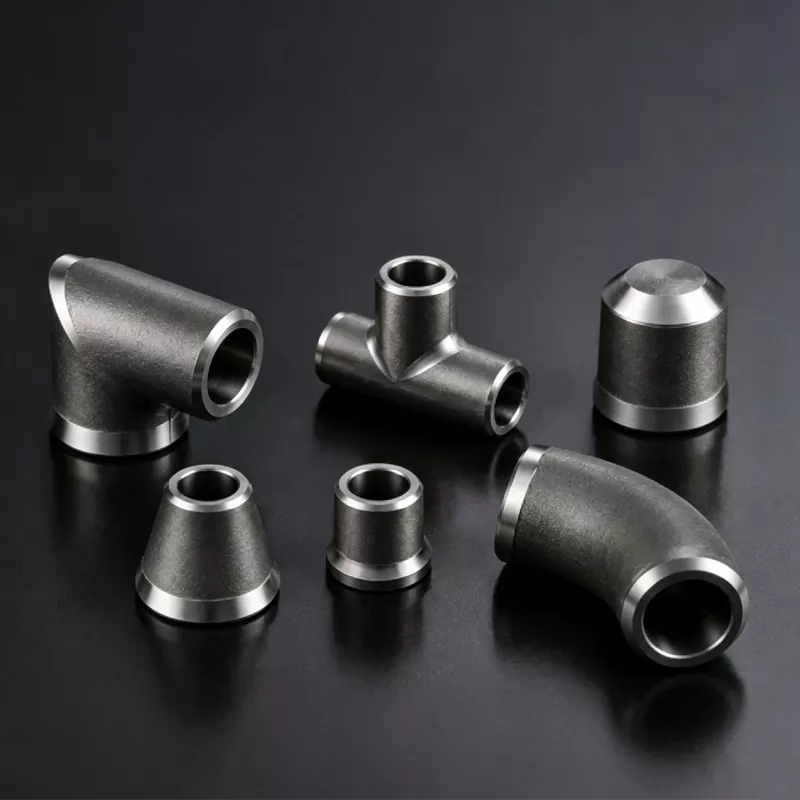
Fillet Weld Fittings are engineered as structural reinforcement welding components designed to create strong, continuous joints between pipes, fittings, and supporting structures through precision corner welding techniques. Unlike mechanical connectors, fillet weld structures become an integrated part of the system itself, allowing stress to be distributed evenly across the welded interface and significantly improving overall structural stability. They are widely used in applications where mechanical strength, fatigue resistance, and long-term reliability are critical design requirements.
Technical Specification Table
| Item | Specification |
| Product Name | Fillet Weld Fitting |
| Welding Type | External Fillet Weld |
| Size Range | 1/8" – 6" |
| Pressure Rating | Class 150 / 300 / 600 / 900 |
| Material Options | Carbon Steel / Stainless Steel 304 / 316 / 316L / Alloy Steel |
| Standard Compliance | ASME B16.11 / MSS SP-83 / DIN |
| Temperature Range | -40°C to +450°C |
| Connection Method | Welded (Non-socket, edge fillet welding) |
| Surface Treatment | Black / Galvanized / Pickled & Passivated |
| Application Type | Structural piping, reinforcement joints, auxiliary pipelines |
Where Structural Weak Points Begin: Hidden Failure in Engineering Systems
In most industrial structures, failure does not appear suddenly in the main load-bearing body. Instead, it begins quietly at connection boundaries where different components meet. These transition zones are exposed to uneven force distribution, vibration fatigue, and long-term mechanical stress accumulation.
Over time, even small inconsistencies at these joints can develop into structural deformation, cracking, or system instability. This is especially critical in environments such as steel frameworks, industrial pipelines, and heavy engineering structures where continuous loading is unavoidable.
Fillet Weld Fitting is developed to eliminate this structural vulnerability by replacing discontinuous mechanical joints with a continuous welded transition that allows stress to flow naturally through the structure instead of concentrating at a single point.
The Logic of Continuous Force Flow in Welded Structures
Unlike bolted or threaded connections, welded systems do not interrupt the material continuity of a structure. Instead, they create a direct metallurgical bond that allows forces to travel through a unified path. This fundamentally changes how load is distributed across the system.
In fillet weld design, stress does not accumulate at a single connection point. Instead, it spreads along the welded seam, reducing localized stress concentration and improving long-term stability under cyclic loading conditions. This makes welded structures especially suitable for environments with vibration, heavy load variation, or thermal expansion cycles.
From an engineering perspective, this is not just a connection method—it is a structural integration strategy.
Manufacturing Control Behind Structural Reliability
The performance of a fillet weld fitting is highly dependent on how precisely the welding interface is prepared and controlled during manufacturing. Even minor deviations in surface alignment, weld geometry, or heat distribution can significantly affect fatigue resistance and long-term structural behavior.
To ensure consistent quality, each component undergoes controlled machining preparation before welding, ensuring proper joint alignment and optimal load transfer geometry. After fabrication, structural integrity is verified through inspection methods that evaluate both surface quality and internal consistency.
This manufacturing discipline ensures that every welded joint behaves predictably under real engineering conditions, which is essential for large-scale industrial applications where failure is not acceptable.
Long-Term Structural Behavior in Real Industrial Environments
In real operating conditions, the value of a welded structure becomes more evident over time. Unlike mechanical joints that may loosen or degrade due to vibration and repeated loading, fillet weld structures remain stable because the connection is permanently integrated into the system.
This stability reduces the need for frequent inspection, maintenance, or replacement, especially in environments where access is difficult or system downtime is costly. As a result, welded systems provide not only structural strength but also long-term operational reliability.
For industries such as shipbuilding, steel construction, and heavy industrial engineering, this translates into a significant reduction in lifecycle risk and maintenance dependency.
Structural Engineering Advantages
Fillet Weld Fittings improve system performance by creating a continuous load path across connected components, reducing stress concentration at joint transitions. The welded structure enhances fatigue resistance under long-term cyclic loading and improves overall system stability in vibration-prone environments. Its compact integration design allows use in complex structural assemblies where space and load distribution must be carefully controlled. With strong fabrication compatibility and OEM customization support, it is suitable for heavy engineering, steel structures, and industrial piping systems requiring long service life and high reliability.
Frequently Asked Questions
Q1: What is the main purpose of a fillet weld fitting?
It is used to permanently integrate structural components through welding to create a unified load-bearing system.
Q2: How is it different from mechanical connectors?
Mechanical connectors rely on discrete contact points, while welded structures provide continuous material integration and better stress distribution.
Q3: Is it suitable for vibration environments?
Yes, welded structures perform well under vibration because they eliminate loosening risks present in mechanical joints.
Q4: Can it be used in heavy engineering structures?
Yes, it is widely used in steel structures, shipbuilding, and industrial frameworks.
Q5: Does welding improve fatigue resistance?
Yes, because it removes stress concentration points and distributes load across a continuous seam.
Send Inquiry
Contact Info
-
Address
Xiaochang Village, Jingzhou Town, Jing County, Hengshui City, Hebei Province, China
-
-
Email
Send an inquiry to JIDONGDA for customized hydraulic hoses, rubber products and factory direct solutions. Request quotation, product details and bulk order support from our China manufacturer.
Related Products
News Recommendations