English
- English
- Español
- Português
- русский
- Français
- 日本語
- Deutsch
- tiếng Việt
- Italiano
- Nederlands
- ภาษาไทย
- Polski
- 한국어
- Svenska
- magyar
- Malay
- বাংলা ভাষার
- Dansk
- Suomi
- हिन्दी
- Pilipino
- Türkçe
- Gaeilge
- العربية
- Indonesia
- Norsk
- تمل
- český
- ελληνικά
- український
- Javanese
- فارسی
- தமிழ்
- తెలుగు
- नेपाली
- Burmese
- български
- ລາວ
- Latine
- Қазақша
- Euskal
- Azərbaycan
- Slovenský jazyk
- Македонски
- Lietuvos
- Eesti Keel
- Română
- Slovenski
- मराठी
- Srpski језик

Why Is Fillet Weld Fitting an Essential Choice for Reliable Industrial Piping Connections
Fillet Weld Fitting plays an important role in creating secure, durable, and efficient piping connections across various industrial applications. As a professional manufacturer, JIDONGDA provides high-quality fitting solutions designed to meet demanding connection requirements with excellent sealing performance and structural stability. This article explains the working principle, advantages, applications, selection factors, and maintenance considerations of Fillet Weld Fitting, helping engineers, distributors, and industrial buyers understand why this component is widely used in modern piping systems.

Table of Contents
- What Is Fillet Weld Fitting and How Does It Work?
- What Are the Main Features and Advantages of Fillet Weld Fitting?
- Fillet Weld Fitting vs Other Welding Connection Methods
- Where Are Fillet Weld Fittings Commonly Used?
- How to Choose the Right Fillet Weld Fitting?
- Manufacturing Quality and Performance Considerations
- Frequently Asked Questions About Fillet Weld Fitting
- Contact Professional Fillet Weld Fitting Supplier
What Is Fillet Weld Fitting and How Does It Work?
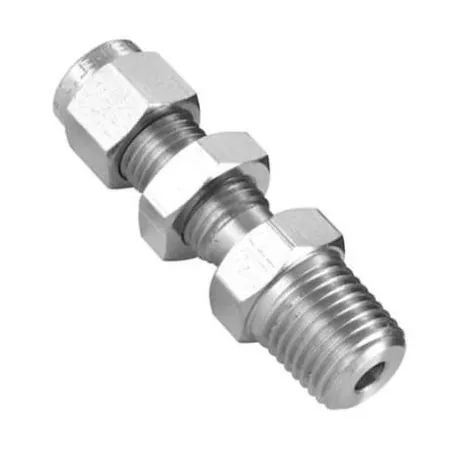
A Fillet Weld Fitting is a specialized connection component that uses a fillet welding process to join pipes, tubes, or structural parts securely. Unlike butt welding, which connects two components end-to-end, fillet welding creates a triangular weld joint between two surfaces positioned at an angle. This design provides strong mechanical support while maintaining installation efficiency.
In industrial piping systems, Fillet Weld Fitting is commonly applied in socket weld connections, pipe assemblies, hydraulic systems, and equipment manufacturing. The welding material fills the corner area between the fitting and pipe surface, creating a stable connection that can withstand pressure, vibration, and operational stress.
The basic working process includes:
- Positioning the pipe and fitting accurately according to design requirements.
- Preparing the welding area to ensure clean and stable bonding.
- Applying fillet weld around the connection area.
- Inspecting the finished weld for strength, sealing, and durability.
A properly manufactured Fillet Weld Fitting helps reduce leakage risks and improves the overall reliability of industrial piping structures.
What Are the Main Features and Advantages of Fillet Weld Fitting?
High-quality Fillet Weld Fitting solutions are designed to provide excellent performance in challenging industrial environments. Compared with traditional connection methods, they offer several advantages in installation, durability, and operational safety.
| Feature | Description | Industrial Benefit |
|---|---|---|
| Strong Welding Structure | Creates a stable triangular weld joint between components | Improves connection strength and service reliability |
| Excellent Sealing Performance | Reduces gaps and improves joint tightness | Helps prevent fluid leakage |
| Flexible Installation | Suitable for different pipe configurations | Supports customized industrial systems |
| High Durability | Resists vibration, pressure, and mechanical stress | Extends equipment service life |
| Easy Maintenance | Allows convenient inspection and repair | Reduces maintenance downtime |
The combination of strength and adaptability makes Fillet Weld Fitting a preferred option for many engineering projects requiring reliable pipe connections.
Fillet Weld Fitting vs Other Welding Connection Methods
Selecting the correct connection method is important for achieving safe and efficient piping performance. Fillet Weld Fitting has unique advantages compared with other welding solutions.
| Comparison Item | Fillet Weld Fitting | Butt Weld Fitting | Mechanical Connection |
|---|---|---|---|
| Installation Difficulty | Relatively simple | Requires precise alignment | Easy installation |
| Connection Strength | High for many industrial applications | Very high with full penetration welding | Depends on fasteners and seals |
| Maintenance Requirement | Low | Low | Higher due to possible loosening |
| Application Range | Industrial piping, equipment, hydraulic systems | Large pipelines and critical systems | Temporary or removable systems |
Fillet welding is especially valuable when installation efficiency and reliable performance are both required. Proper design and welding quality are essential to maximize its advantages.
Where Are Fillet Weld Fittings Commonly Used?
Because of their excellent connection performance, Fillet Weld Fitting products are widely used in different industries. Typical applications include:
- Hydraulic Equipment: Used for reliable fluid transmission systems requiring stable connections.
- Automotive Manufacturing: Applied in vehicle components and industrial equipment assemblies.
- Oil and Gas Industry: Used in piping systems where durability and sealing are important.
- Chemical Processing: Suitable for equipment handling various industrial media.
- Construction Machinery: Supports heavy-duty machinery requiring strong welded joints.
- Industrial Automation: Provides dependable connection solutions for automated equipment.
With proper material selection and manufacturing control, Fillet Weld Fitting can meet different working conditions, including high-pressure and high-temperature environments.
How to Choose the Right Fillet Weld Fitting?
Choosing the correct Fillet Weld Fitting requires careful consideration of operating conditions, material compatibility, and application requirements. Buyers should evaluate the following factors before purchasing:
- Material Selection: Choose materials that match the working environment, such as corrosion resistance requirements.
- Size Compatibility: Confirm fitting dimensions according to pipe specifications.
- Pressure Rating: Select products suitable for the system operating pressure.
- Temperature Resistance: Ensure the fitting can withstand operating temperatures.
- Manufacturing Standards: Work with experienced suppliers offering consistent quality control.
A professional China manufacturer and supplier can provide customized Fillet Weld Fitting solutions according to different engineering requirements.
Manufacturing Quality and Performance Considerations
The performance of Fillet Weld Fitting depends heavily on production technology, material control, and inspection procedures. Reliable manufacturers focus on every stage of production, from raw material selection to final quality testing.
- Precision machining ensures accurate fitting dimensions.
- Strict welding processes improve joint consistency.
- Professional inspection reduces potential defects.
- Quality management systems support stable production.
JIDONGDA focuses on providing dependable industrial fitting solutions with attention to product reliability, manufacturing precision, and customer application requirements. By combining professional production experience with strict quality management, the company supports customers seeking long-term and efficient connection solutions.
Frequently Asked Questions About Fillet Weld Fitting
1. What is the main purpose of Fillet Weld Fitting?
The main purpose of Fillet Weld Fitting is to create a strong welded connection between pipes, tubes, or components. It improves structural stability and helps maintain secure fluid or mechanical connections.
2. What industries use Fillet Weld Fitting?
Fillet Weld Fitting is widely used in hydraulic systems, industrial machinery, automotive manufacturing, chemical processing, oil and gas systems, and construction equipment.
3. How can I ensure the quality of Fillet Weld Fitting?
Customers should select suppliers with professional manufacturing capabilities, strict inspection procedures, suitable materials, and experience in producing industrial connection components.
4. Can Fillet Weld Fitting be customized?
Yes. Many manufacturers provide customized solutions based on different sizes, materials, pressure requirements, and application environments.
Contact Professional Fillet Weld Fitting Supplier
Choosing a reliable Fillet Weld Fitting supplier is essential for achieving safe, efficient, and long-lasting industrial connection performance. JIDONGDA provides professional fitting solutions designed for various industrial applications with consistent quality and dependable service. If you are looking for a trusted manufacturer, customized solutions, or detailed product information, please contact us today to discuss your requirements and receive professional support.
Related News
- How Can a Large Diameter Heavy-Duty Flanged Rubber Hose Improve Reliability in Demanding Industrial Applications
- Why Should You Choose a Stainless Steel 316L Ferrule for Reliable, Corrosion-Resistant Piping Connections
- How Can a Large Diameter Flexible Flanged Rubber Hose Improve Heavy-Duty Pipeline Connections
- How Can a Double Sphere Rubber Expansion Joint Improve Pipeline Flexibility and Vibration Control
- How Can a Corrugated Metal Expansion Joint Improve the Reliability of High-Temperature Piping Systems
- How Can a Fillet Weld Fitting Improve the Strength, Stability, and Reliability of Industrial Piping Systems
Leave me a message