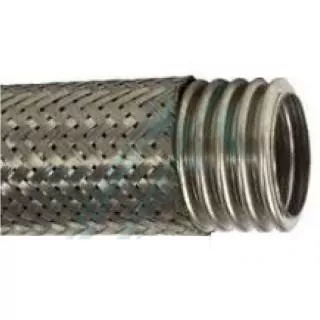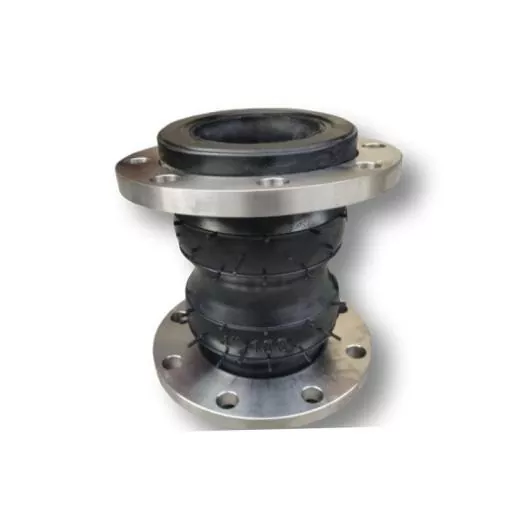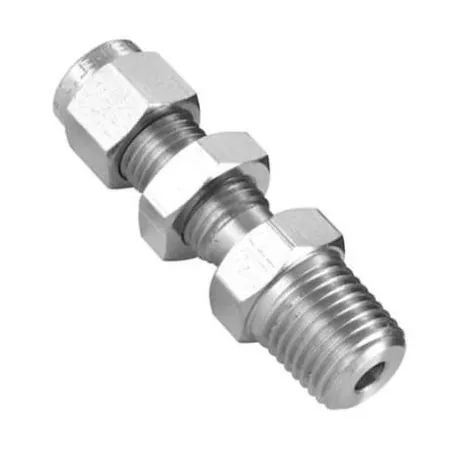
Article Summary: A corrugated metal expansion joint provides controlled flexibility for industrial piping exposed to thermal expansion, vibration, pressure fluctuations, and mechanical movement. By using a corrugated stainless steel bellows structure, it can compensate for axial, lateral, and angular displacement while helping reduce weld fatigue, flange leakage, and stress-related deformation. This guide explains its working principle, key specifications, material options, applications, selection factors, and advantages for demanding pipeline systems.

Table of Contents
- What Is a Corrugated Metal Expansion Joint?
- How Does It Work in Industrial Piping?
- What Are the Key Technical Specifications?
- What Are the Main Benefits?
- Where Is It Commonly Used?
- How Should You Select the Right Product?
- Frequently Asked Questions
- Final Thoughts
What Is a Corrugated Metal Expansion Joint?
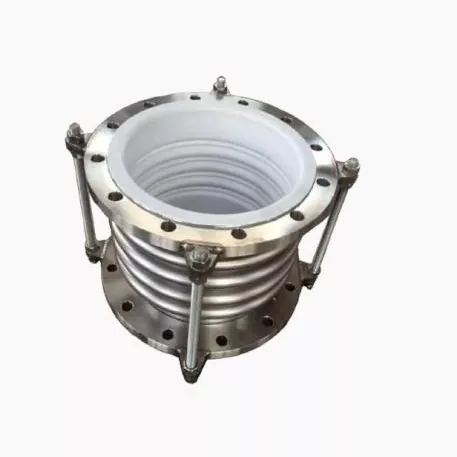
JIDONGDA supplies a Corrugated Metal Expansion Joint designed to give industrial piping controlled flexibility without sacrificing structural stability. Its corrugated bellows construction allows a pipeline to accommodate movement caused by temperature changes, equipment vibration, pressure fluctuations, and mechanical stress.
Unlike a rigid pipe section, an expansion joint creates a deliberately flexible area within the piping system. When a pipeline heats up or cools down, its length and position can change. If these movements are restrained, excessive stress may accumulate around welds, flanges, valves, pumps, and connected equipment. A properly engineered metal expansion joint helps absorb these movements before they become damaging loads.
For buyers evaluating industrial metal expansion joints, the bellows material, movement requirements, pressure rating, temperature range, connection method, and installation environment should all be considered together.
How Does It Work in Industrial Piping?
The operating principle is based on controlled elastic deformation of the corrugated metal bellows. The multiple convolutions allow the bellows to flex when the connected piping moves, while the metal structure maintains the pressure boundary.
Thermal Expansion Compensation
High-temperature pipelines expand as process temperatures rise and contract as they fall. In steam, boiler, chemical, oil, and thermal-fluid systems, repeated temperature cycles can generate substantial movement. The corrugated bellows absorb this displacement and reduce the stress transferred to rigid pipe sections.
Mechanical and Vibration Compensation
Industrial equipment such as pumps, compressors, fans, turbines, and rotating machinery can introduce vibration into connected piping. A suitably designed expansion joint can accommodate controlled movement and help prevent vibration from being transmitted directly through rigid pipe connections.
Multi-Directional Movement
Depending on the system design, metal expansion joints can compensate for three major movement categories:
- Axial movement: compression or extension along the pipe axis.
- Lateral movement: sideways displacement of connected pipe sections.
- Angular movement: rotational movement between connected piping sections.
What Are the Key Technical Specifications?
Choosing an expansion joint should begin with actual operating conditions rather than simply selecting a nominal pipe size. JIDONGDA's product information covers stainless steel bellows with different material and connection configurations for industrial applications.
| Parameter | Typical Specification | Engineering Consideration |
|---|---|---|
| Bellows Structure | Corrugated stainless steel bellows | Provides controlled flexibility and movement compensation |
| Material | SS304 / SS316 / SS321 / customized alloys | Select according to temperature, corrosion, and media compatibility |
| Working Pressure | PN10–PN40, depending on design | Must match actual operating and pressure conditions |
| Temperature Range | -80°C to +600°C, depending on material | Material grade and design determine usable temperature limits |
| Movement | Axial / lateral / angular | Movement type and magnitude should be calculated before selection |
| Size | DN15–DN300 | Threaded versions generally cover smaller diameters |
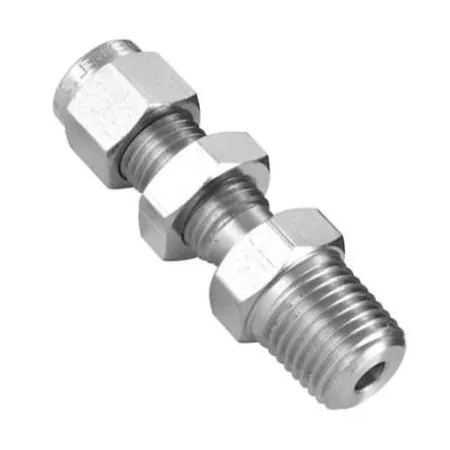
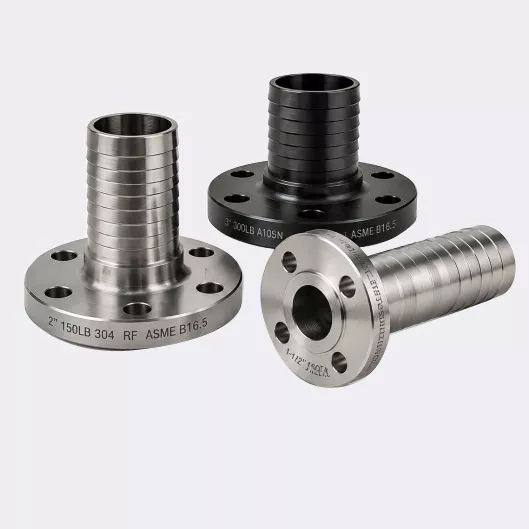
| Connections | Threaded / flanged / welded | Choose according to piping layout and installation requirements |
| Compatible Media | Steam / hot water / oil / gas / chemical fluids | Confirm material compatibility with the actual medium |
Actual pressure, temperature, movement, cycle frequency, and fatigue requirements should be confirmed for each project. Customized designs can be considered when standard configurations do not meet the installation conditions.
What Are the Main Benefits?
1. Reliable Performance at Elevated Temperatures
Metal bellows are particularly suitable for applications where temperatures exceed the practical operating range of many conventional flexible components. Depending on material selection and design, stainless steel construction can support demanding thermal environments.
2. Reduced Pipeline Stress
Thermal movement can gradually create excessive loads at fixed points and equipment connections. By introducing controlled flexibility, the expansion joint helps redistribute movement and reduce stress concentration in critical areas.
3. Better Resistance to Vibration
Where machinery generates continuous or intermittent vibration, a flexible metal connection can help isolate movement between equipment and piping. This can contribute to improved system stability when the joint is correctly selected and installed.
4. Flexible Installation Options
Threaded, flanged, and welded configurations make it possible to integrate expansion joints into different pipeline architectures. Small-diameter threaded products can be useful around compact equipment connections, while flanged and welded designs can suit larger industrial piping systems.
5. Long-Term Cyclic Performance
Industrial piping may experience thousands of heating and cooling cycles during its operating life. Correct bellows geometry, material selection, forming quality, and movement control are therefore important for achieving dependable fatigue performance.
Where Is It Commonly Used?
A corrugated metal expansion joint is valuable wherever rigid piping must accommodate thermal displacement or mechanical movement. Typical application areas include:
- Petrochemical processing pipelines
- Power generation plants
- Steam and boiler systems
- High-temperature HVAC systems
- Industrial furnace equipment
- Oil and gas processing facilities
- Chemical processing pipelines
- Marine engineering systems
- Mechanical equipment connections
- High-temperature fluid transportation systems
For example, a steam pipeline connecting a boiler to downstream equipment can experience significant thermal expansion during startup. Without adequate movement compensation, this expansion can place additional loads on pipe supports and equipment nozzles. A correctly engineered bellows expansion joint provides a designated area where this movement can occur.
How Should You Select the Right Product?
Product selection should be based on engineering data rather than appearance or nominal diameter alone. Before requesting a quotation, buyers should prepare the following information:
- Nominal pipe diameter: Identify the required DN size and connection dimensions.
- Operating temperature: Specify normal, minimum, and maximum temperatures.
- Operating pressure: Include normal and maximum working pressure.
- Movement requirements: Define expected axial, lateral, or angular movement.
- Media: Identify whether the system carries steam, water, oil, gas, chemicals, or another fluid.
- Material requirements: Select SS304, SS316, SS321, or another suitable alloy according to the environment.
- Connection method: Determine whether threaded, flanged, or welded ends are required.
- Installation conditions: Consider available space, pipe supports, guides, anchors, and equipment connections.
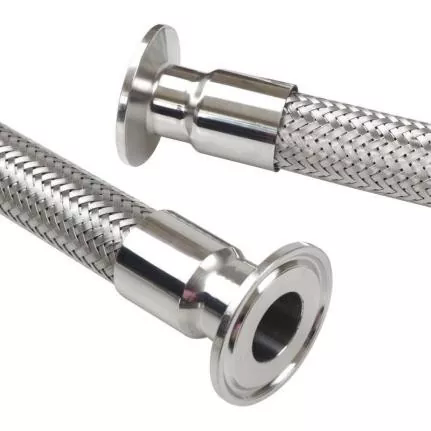
It is also important to distinguish an expansion joint from a general flexible connector. Expansion joints are designed around specific movement and fatigue requirements, so the bellows geometry and system constraints should be evaluated as part of the complete piping design.
Frequently Asked Questions
Q1: What is the primary purpose of a corrugated metal expansion joint?
Its primary purpose is to compensate for thermal expansion and controlled mechanical movement in piping systems while reducing stress transferred to rigid components.
Q2: Can metal expansion joints be used for steam pipelines?
Yes. Stainless steel bellows expansion joints are commonly applied in steam and boiler piping, provided the selected material, pressure rating, temperature rating, and movement capacity match the operating conditions.
Q3: What materials are commonly used?
Common options include SS304, SS316, and SS321 stainless steel. Customized alloys may also be considered when higher corrosion resistance or specialized operating conditions require them.
Q4: Are threaded expansion joints suitable for small pipelines?
Yes. Threaded configurations are particularly suitable for smaller-diameter piping, equipment connections, and installations where space is limited.
Q5: What is the difference between axial, lateral, and angular movement?
Axial movement occurs along the pipe axis, lateral movement occurs sideways, and angular movement involves rotation between connected pipe sections. The required movement type should be identified before selecting an expansion joint.
Q6: Can the product be customized?
Yes. Depending on project requirements, customization can involve material grade, size, pressure rating, connection configuration, and other engineering parameters.
Final Thoughts
A properly engineered Corrugated Metal Expansion Joint can play an important role in protecting industrial piping from thermal expansion, vibration, mechanical displacement, and accumulated stress. With stainless steel bellows, multiple connection options, and configurable engineering parameters, it can be adapted to demanding applications across power generation, petrochemical, chemical processing, HVAC, marine, and high-temperature fluid systems. JIDONGDA supports customized metal expansion joint solutions based on project-specific size, material, pressure, temperature, movement, and connection requirements. If you are selecting an expansion joint for a new installation or replacing an existing component, contact us to discuss your operating conditions and request a suitable industrial solution.