English
- English
- Español
- Português
- русский
- Français
- 日本語
- Deutsch
- tiếng Việt
- Italiano
- Nederlands
- ภาษาไทย
- Polski
- 한국어
- Svenska
- magyar
- Malay
- বাংলা ভাষার
- Dansk
- Suomi
- हिन्दी
- Pilipino
- Türkçe
- Gaeilge
- العربية
- Indonesia
- Norsk
- تمل
- český
- ελληνικά
- український
- Javanese
- فارسی
- தமிழ்
- తెలుగు
- नेपाली
- Burmese
- български
- ລາວ
- Latine
- Қазақша
- Euskal
- Azərbaycan
- Slovenský jazyk
- Македонски
- Lietuvos
- Eesti Keel
- Română
- Slovenski
- मराठी
- Srpski језик
China Composite Hose Manufacturer
Composite hose is an advanced, multi-layered fluid transfer solution designed to handle the most challenging industrial applications. Constructed from a seamless internal and external wire helix combined with multiple layers of thermoplastic films and reinforcing fabrics, this hose provides unmatched flexibility, chemical resistance, and durability. At JIDONGDA, we manufacture composite hose that exceeds industry standards, ensuring safe and reliable transfer of fuels, chemicals, solvents, and aggressive media across terminals, refineries, and chemical plants worldwide.
Core Structural Layers
Every JIDONGDA composite hose is built using a precise engineering process. The construction includes an inner wire helix made from stainless steel or galvanized steel, which provides structural support and full vacuum capability. The outer wire helix is typically manufactured from stainless steel or hot-dip galvanized steel for maximum corrosion protection and abrasion resistance. Between these two helices, multiple layers of polypropylene, PTFE, nylon, or polyester films are wound, bonded, and reinforced with tough synthetic fabrics. This combination creates a hose that is lightweight yet extraordinarily tough, capable of withstanding working pressures up to 20 bar and temperatures from -30°C to +80°C in standard versions, or up to +150°C in high-temperature configurations.
Frequently Asked Questions
Q: How do I select the correct composite hose for my chemical?
A: Selection starts with identifying the chemical concentration, temperature, and working pressure. At JIDONGDA, we refer to compatibility charts based on the inner liner material. For example, polypropylene is excellent for most acids and caustics up to 80°C, while PTFE is required for strong solvents and high-purity applications. We also consider abrasion from external conditions to choose the outer wire material. Providing us with a full MSDS and application details ensures that the recommended composite hose will provide optimal service.
Q: Can composite hose be used for suction applications?
A: Yes, composite hose is rated for full vacuum. The internal wire helix provides the necessary structural support to prevent collapse even under complete negative pressure. This makes it ideal for pump suction, truck offloading, and tank drainage. Regular rubber hoses often require additional vacuum rings, but our design inherently incorporates this capability.
Q: What maintenance and inspection procedures are recommended?
A: We recommend a visual inspection before each use to check for cuts, abrasion, or deformation of the outer wire. A hydrostatic pressure test should be performed annually or as required by local regulation. Electrical continuity must be verified if the hose is used in flammable atmospheres. After use, flushing residues and draining the hose extends its life. JIDONGDA provides detailed operation manuals and inspection schedules with every composite hose shipment.
Q: How does JIDONGDA ensure the quality and traceability of its composite hose?
A: Every JIDONGDA composite hose is manufactured in an ISO 9001 certified facility. Raw materials are inspected upon arrival, and each production batch is recorded with a unique serial number. That number is linked to all component lot numbers, pressure test results, and operator identifications. This full traceability gives our customers confidence that the hose they install performs exactly as engineered, and it simplifies reordering or certification renewal.
Customization Capabilities and Technical Support
JIDONGDA understands that no two applications are identical. We offer custom diameters from 13 mm to 300 mm, special color coding for the outer cover, and tailored end fitting assemblies. Our engineers work alongside clients to develop composite hose solutions for extreme environments, including offshore platforms, Arctic operations, and ultra-high-purity pharmaceutical processes. Technical support is available globally, with rapid response to ensure minimal downtime. By choosing JIDONGDA, you gain a partner that is fully invested in the performance and longevity of your fluid transfer infrastructure.


- View as
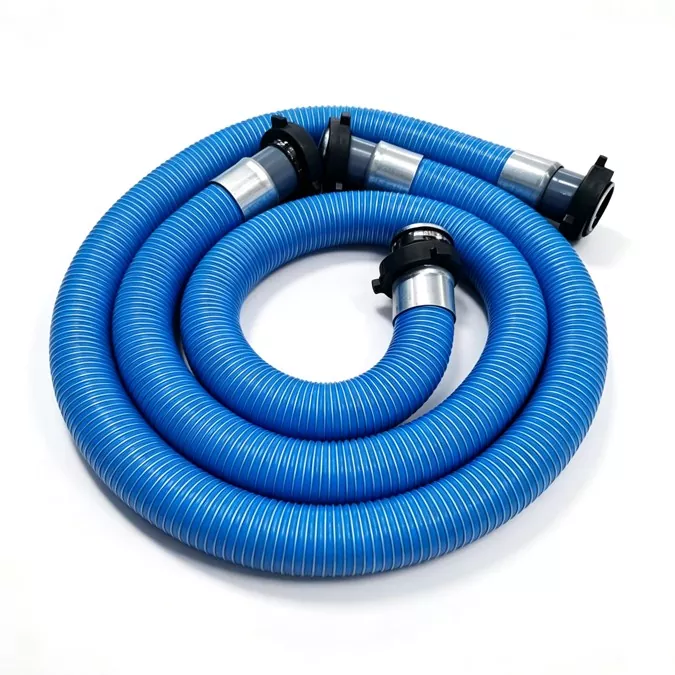
Heavy Duty Composite Hose
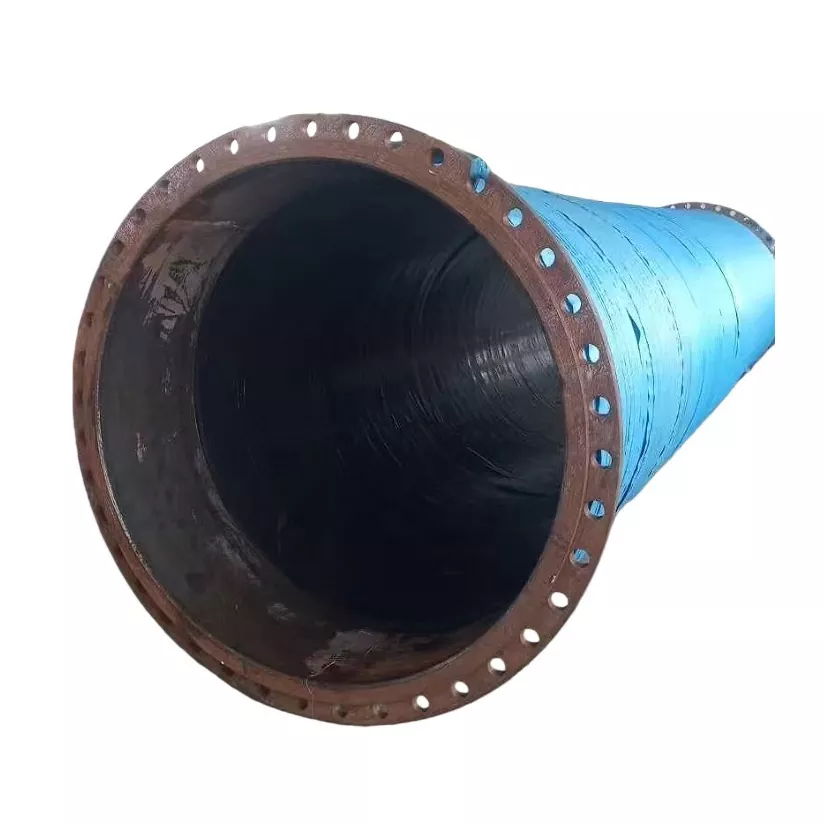
The JIDONGDA Heavy Duty Composite Hose is a multi-layer, reinforced flexible hose engineered for heavy-duty applications involving high loads and intensive usage. Leveraging advanced design and manufacturing technologies, the hose features an optimized multi-layer structure that delivers key performance characteristics, including high resistance to pressure and impact, chemical corrosion resistance, and superior flexibility. Manufactured in certified facilities in China under strict internal quality control standards, the product ensures industrial-grade durability and reliability; the supplier offers custom manufacturing and tailored solutions to meet specific operational requirements. The product's effectiveness has been proven in numerous real-world projects, demonstrating consistent performance and low maintenance costs.
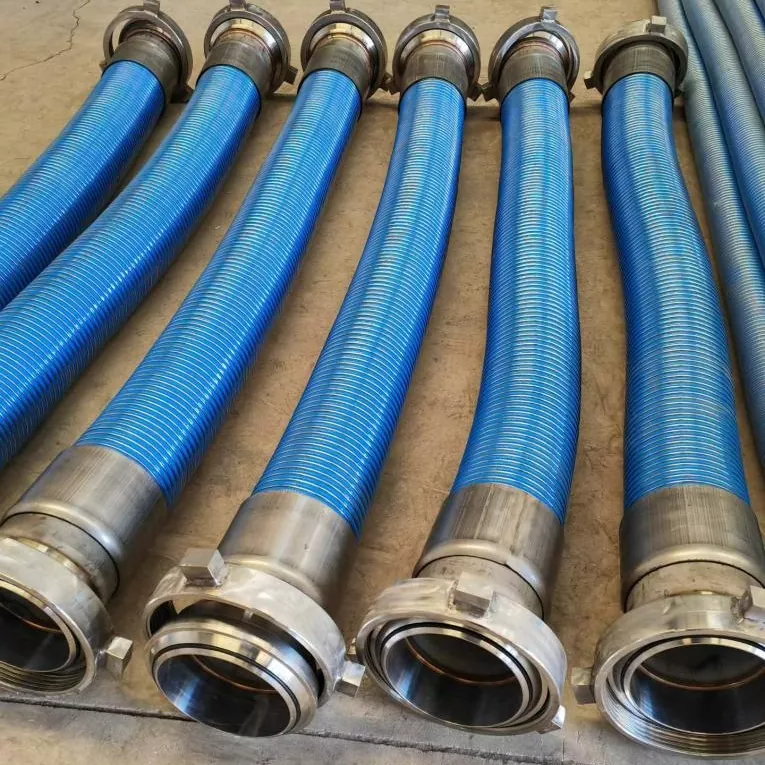
Chemical Composite Hose
The JIDONGDA Chemical Composite Hose is a multi-layer flexible hose designed for the transfer of highly aggressive and hazardous chemical media. Manufactured at a specialized facility using advanced Chinese technology, the product fully complies with chemical safety standards. Thanks to its multi-layer composite structure—which prevents permeation—and stainless steel spiral reinforcement, the hose offers excellent corrosion resistance, leak-proof integrity, ease of handling, and antistatic properties. It is widely used in the chemical, petrochemical, and pharmaceutical industries, as well as in port and marine logistics, providing a reliable solution for the safe loading, unloading, and transport of various hazardous chemicals.
JIDONGDA offers premium Composite Hose manufactured under strict quality standards with reliable delivery and competitive factory pricing. Contact us for more details.