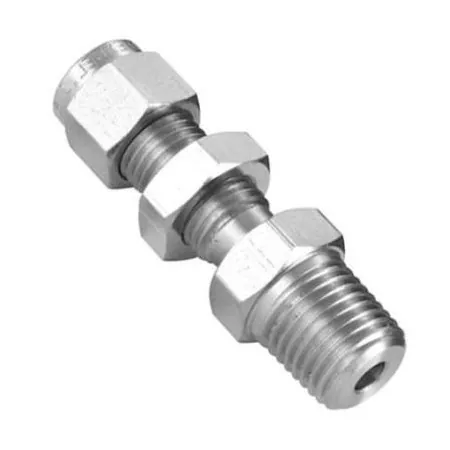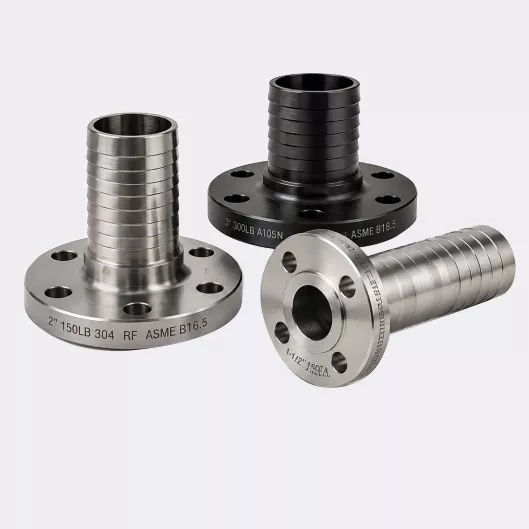
JIDONGDA provides industrial connection solutions for demanding piping applications, and the Stainless Steel 316L Ferrule is an important option for systems requiring dependable connections, corrosion resistance, and long-term service performance. Understanding its material properties, connection design, and application requirements helps buyers select the right component for their projects.
A ferrule is a small but essential component in many piping and fluid-handling systems. When manufactured from 316L stainless steel, it offers a useful combination of corrosion resistance, weldability, mechanical durability, and compatibility with demanding industrial environments. The low carbon content of 316L helps reduce the risk of sensitization during welding, while its molybdenum content improves resistance to localized corrosion compared with common 304 stainless steel in many environments. This guide explains how a stainless steel ferrule works, where it is used, how to evaluate its specifications, and what buyers should consider before placing an order.
Table of Contents
- What Is a Stainless Steel 316L Ferrule?
- Key Material Properties and Advantages
- Common Industrial Applications
- How to Select the Right Ferrule
- 316L vs. 304 Stainless Steel Ferrules
- Installation and Maintenance Best Practices
- Purchasing Checklist for Industrial Buyers
- Frequently Asked Questions
- Conclusion: Finding the Right Connection Solution
What Is a Stainless Steel 316L Ferrule?
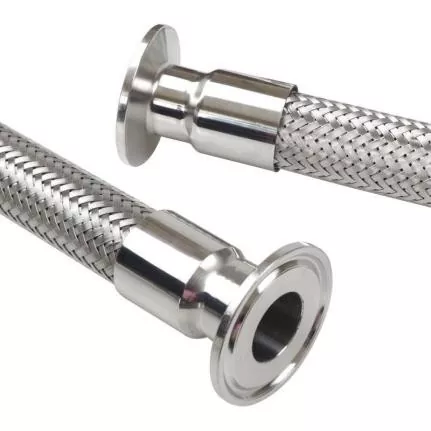
A stainless steel ferrule is a fitting or connection component designed to support the joining, sealing, positioning, or retention of tubing and piping, depending on its specific design. Ferrules are used in different connection systems, including sanitary clamp fittings and compression-type assemblies. Their precise function depends on the connection standard and the configuration of the surrounding components.
316L is a low-carbon austenitic stainless steel grade, commonly identified as UNS S31603. Its alloy composition includes chromium, nickel, and molybdenum. Chromium supports the formation of a protective passive surface layer, while molybdenum improves resistance to pitting and crevice corrosion in many service environments.
The letter “L” stands for low carbon. Compared with standard 316 stainless steel, 316L has a lower maximum carbon content, generally 0.03% under common specifications. This helps reduce chromium carbide precipitation and the associated risk of intergranular corrosion during welding.
However, the term “316L ferrule” alone does not define every product characteristic. Buyers should confirm the connection style, dimensions, applicable material standard, surface finish, and intended service conditions before selecting a component.
Key Material Properties and Advantages
1. Improved Corrosion Resistance
One of the principal reasons engineers specify 316L stainless steel is its resistance to many corrosive environments. Its molybdenum content generally provides better resistance to localized corrosion than 304 stainless steel, making it useful in applications involving certain cleaning chemicals, process fluids, and humid industrial environments.
Nevertheless, 316L is not corrosion-proof. Warm chloride solutions, high chloride concentrations, deposits, and poorly designed crevices can still cause pitting or crevice corrosion. The actual performance of a ferrule depends on the fluid composition, temperature, exposure time, surface condition, and cleaning procedure.
2. Good Weldability
The low carbon content of 316L makes it a practical choice for welded piping assemblies. It helps reduce the risk of sensitization in the heat-affected zone when suitable welding procedures are followed. Correct welding, post-weld cleaning, and appropriate surface restoration remain important for maintaining corrosion resistance.
3. Durability for Industrial Service
316L stainless steel combines useful mechanical strength with toughness and ductility. A correctly specified ferrule can provide a durable connection component in industrial systems exposed to regular operation, cleaning, and maintenance.
Actual pressure and temperature limits must be established from the complete connection assembly, including the ferrule design, mating components, gasket or sealing elements, installation method, and manufacturer ratings. The material grade alone is not sufficient to determine a safe working pressure.
4. Suitability for Cleanable Systems
When manufactured with an appropriate surface finish and connection geometry, 316L components can support cleanable fluid-handling systems. This is particularly relevant to food processing, beverage production, biotechnology, and pharmaceutical equipment.
Hygienic suitability does not come from the alloy alone. Surface roughness, weld quality, crevice control, drainage, passivation, and compliance with the applicable sanitary standard must also be evaluated.
- Good general corrosion resistance in many industrial environments.
- Improved resistance to localized corrosion compared with 304 in many chloride-containing conditions.
- Low-carbon composition that supports welded fabrication.
- Compatibility with suitable polishing and passivation processes.
- Potential for long service life when correctly selected, installed, and maintained.
Common Industrial Applications
Stainless steel 316L ferrules can be used in various fluid-handling and process equipment systems. The appropriate design depends on whether the connection must support sanitary cleaning, chemical resistance, frequent disassembly, or permanent installation.
Food and Beverage Processing
Food and beverage production lines often require corrosion-resistant components that can tolerate repeated washing and cleaning. Suitable 316L ferrules may be used in piping assemblies for liquid ingredients, beverage transfer, and process equipment. Product-contact surfaces must meet the applicable hygiene and material requirements.
Pharmaceutical and Biotechnology Equipment
Pharmaceutical and biotechnology facilities may use 316L components in clean-process piping and associated equipment. In these applications, material traceability, surface finish, weld inspection, and compatibility with cleaning and sterilization procedures can be as important as the nominal alloy grade.
Chemical Processing
Some chemical transfer systems benefit from the corrosion resistance of 316L stainless steel. Before specifying a ferrule, engineers should assess the exact chemical concentration, operating temperature, pressure, and potential exposure to chlorides or other aggressive substances.
Industrial Fluid and Instrumentation Systems
Depending on its configuration, a ferrule may form part of tubing connections, instrumentation assemblies, process manifolds, or other industrial fluid systems. Correct dimensional compatibility and secure sealing are essential to help minimize leakage and maintenance interruptions.
For more information about material selection, buyers can consult a recognized technical resource such as Parker's instrumentation and fitting resources and compare the guidance with the requirements of their own system.
How to Select the Right Ferrule
Choosing a suitable ferrule requires more than checking the material grade. A technically appropriate component must match the piping system, operating conditions, and relevant quality requirements.
1. Confirm the Connection Type
Determine whether the application requires a sanitary clamp ferrule, a compression fitting component, or another specialized design. These configurations serve different purposes and are not automatically interchangeable.
2. Verify Dimensions and Compatibility
Check the tube outside diameter, connection dimensions, mating geometry, and relevant dimensional standard. For clamp-style connections, confirm compatibility among the ferrule, gasket, clamp, and connected tubing. For compression systems, verify the complete fitting series and manufacturer's assembly instructions.
3. Evaluate the Operating Environment
Record the normal and maximum operating pressure, temperature range, process media, cleaning chemicals, and expected maintenance frequency. If the system handles chloride-rich fluids or aggressive chemicals, request a material compatibility review rather than assuming 316L is suitable.
4. Specify Surface Finish and Documentation
For hygienic applications, define the required internal and external finish, surface roughness where applicable, and weld-quality expectations. Ask the supplier whether material test reports, dimensional inspection records, or other documentation are available.
5. Confirm Compliance Requirements
Determine whether the project requires a particular ASTM, EN, ASME, 3-A, or other applicable specification. Not every ferrule automatically complies with every standard. Confirm the specific product, material, finish, and documentation scope before purchase.
316L vs. 304 Stainless Steel Ferrules
Both 304 and 316L are widely used austenitic stainless steels, but their alloy compositions and corrosion performance differ. The following table provides a general comparison to support preliminary material selection.
| Comparison Item | 316L Stainless Steel | 304 Stainless Steel |
|---|---|---|
| Material type | Low-carbon austenitic stainless steel | Austenitic stainless steel |
| Typical alloying elements | Chromium, nickel, and molybdenum | Chromium and nickel; normally no intentional molybdenum addition |
| Localized corrosion resistance | Generally better in many chloride-containing environments | Generally lower than 316L in comparable chloride conditions |
| Welding considerations | Low carbon helps reduce sensitization risk | 304L is often preferred over standard 304 for welded applications requiring lower carbon content |
| Common applications | More demanding process, hygienic, and corrosion-sensitive systems | General industrial, food equipment, and less aggressive environments |
| Relative material cost | Usually higher | Usually lower |
| Selection priority | Consider when additional corrosion resistance is needed | Consider when service conditions allow and cost efficiency is important |
This comparison is general rather than a substitute for engineering evaluation. Neither alloy is immune to every corrosive environment. For welded applications, 304L and 316L are often compared because their lower carbon contents can help reduce sensitization risk.
Installation and Maintenance Best Practices
Even a high-quality ferrule can fail prematurely if the connection is incorrectly installed or exposed to unsuitable service conditions. A documented installation and maintenance procedure helps protect the integrity of the piping system.
- Inspect before assembly: Check the ferrule for dents, scratches, deformation, contamination, and visible corrosion.
- Clean mating surfaces: Remove dirt, oil, particles, and residues that could interfere with sealing or hygienic performance.
- Use compatible components: Match the ferrule with the correct gasket, clamp, tubing, or compression fitting components.
- Follow the installation procedure: Use the specified welding method, assembly sequence, and tightening requirements for the connection type.
- Inspect after installation: Examine welds and seals, then conduct an appropriate leak or pressure test under an approved procedure.
- Maintain a cleaning schedule: Remove deposits and residues using chemicals and procedures compatible with the alloy and the process.
- Investigate recurring failures: Check for excessive chloride exposure, unsuitable cleaning chemicals, crevices, poor drainage, or incorrect assembly.
For critical process systems, maintenance intervals and inspection methods should be based on operating risk, applicable regulations, and the equipment manufacturer's recommendations.
Purchasing Checklist for Industrial Buyers
Before requesting a quotation for a stainless steel ferrule, prepare a concise specification sheet. This helps suppliers identify the correct configuration and reduces the risk of receiving incompatible components.
- Material: Confirm 316L grade and the required material standard.
- Connection style: Specify sanitary clamp, compression, welded, or another required configuration.
- Dimensions: Provide tubing size, connection dimensions, and drawings when available.
- Surface finish: State polishing, roughness, or passivation requirements if applicable.
- Service conditions: Document pressure, temperature, fluid composition, and cleaning chemicals.
- Quality documents: Ask about material certificates, inspection records, and traceability requirements.
- Order details: Confirm quantity, packaging, lead time, and delivery destination.
- Project standards: Identify any mandatory sanitary, dimensional, or regulatory requirements.
For a product-specific inquiry, buyers can review the Stainless Steel 316L Ferrule product page and request confirmation of the available dimensions, connection design, material documentation, and other technical details before finalizing their specification.
Frequently Asked Questions
1. What is the main advantage of a Stainless Steel 316L Ferrule?
Its main advantage is the combination of corrosion resistance, weldability, and durability. The molybdenum in 316L generally improves resistance to localized corrosion compared with 304 stainless steel, while the low carbon content helps reduce sensitization risk during welding.
2. Is 316L stainless steel suitable for food and pharmaceutical applications?
It is widely used in food processing, pharmaceutical, and other hygienic systems. However, suitability depends on the specific product design, surface finish, material traceability, cleaning requirements, and applicable industry standards. The material grade alone does not establish regulatory or sanitary compliance.
3. Can a 316L ferrule resist all chemicals and chloride solutions?
No. Although 316L offers good resistance to many corrosive media, it can still experience pitting, crevice corrosion, or stress corrosion cracking under certain conditions. Chemical concentration, temperature, exposure duration, and component design must be evaluated before use.
4. What information is needed to order a stainless steel ferrule?
Provide the required material grade, connection type, dimensions, operating conditions, surface finish, quantity, and any applicable standards. Drawings, mating-component specifications, and documentation requirements can help the supplier confirm compatibility.
5. Does every 316L ferrule meet sanitary standards?
No. Sanitary compliance depends on the complete product design, manufacturing quality, surface finish, material documentation, and the specific standard involved. Request product-specific evidence if compliance with 3-A, ASME BPE, or another standard is necessary for your project.
6. How can buyers verify the quality of a 316L ferrule?
Ask for relevant material test reports, dimensional inspection results, surface-finish data, and traceability documentation. For critical applications, verify that the documents correspond to the supplied product and the required specification.
Conclusion: Finding the Right Connection Solution
A Stainless Steel 316L Ferrule can be a dependable choice for piping and fluid-handling systems that require corrosion resistance, durable connections, and compatibility with demanding industrial conditions. Its performance depends not only on the alloy grade but also on dimensional accuracy, connection design, surface finish, installation quality, and the chemistry of the operating environment.
For buyers evaluating options from JIDONGDA, the most effective approach is to define the application's technical requirements first and then verify the product specifications and supporting documentation. If you need help identifying a suitable configuration, confirming dimensions, or discussing your project requirements, contact us to request product information and explore a connection solution tailored to your application.