English
- English
- Español
- Português
- русский
- Français
- 日本語
- Deutsch
- tiếng Việt
- Italiano
- Nederlands
- ภาษาไทย
- Polski
- 한국어
- Svenska
- magyar
- Malay
- বাংলা ভাষার
- Dansk
- Suomi
- हिन्दी
- Pilipino
- Türkçe
- Gaeilge
- العربية
- Indonesia
- Norsk
- تمل
- český
- ελληνικά
- український
- Javanese
- فارسی
- தமிழ்
- తెలుగు
- नेपाली
- Burmese
- български
- ລາວ
- Latine
- Қазақша
- Euskal
- Azərbaycan
- Slovenský jazyk
- Македонски
- Lietuvos
- Eesti Keel
- Română
- Slovenski
- मराठी
- Srpski језик
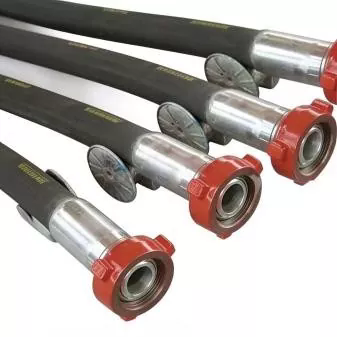
China Large Diameter High Temperature Rubber Hose Supplier
Large Diameter High Temperature Rubber Hose is engineered for industrial transfer applications where extreme heat, abrasive materials, and demanding flow rates converge. Whether moving hot asphalt, steam, superheated water, or chemical slurries, selecting the right hose directly impacts safety, downtime, and total operating cost. JIDONGDA has spent two decades refining elastomer compounds and reinforcement layers to produce hoses that maintain flexibility and structural integrity at continuous temperatures up to 260°C (500°F) and intermittent spikes reaching 300°C (572°F).
Construction and Material Science
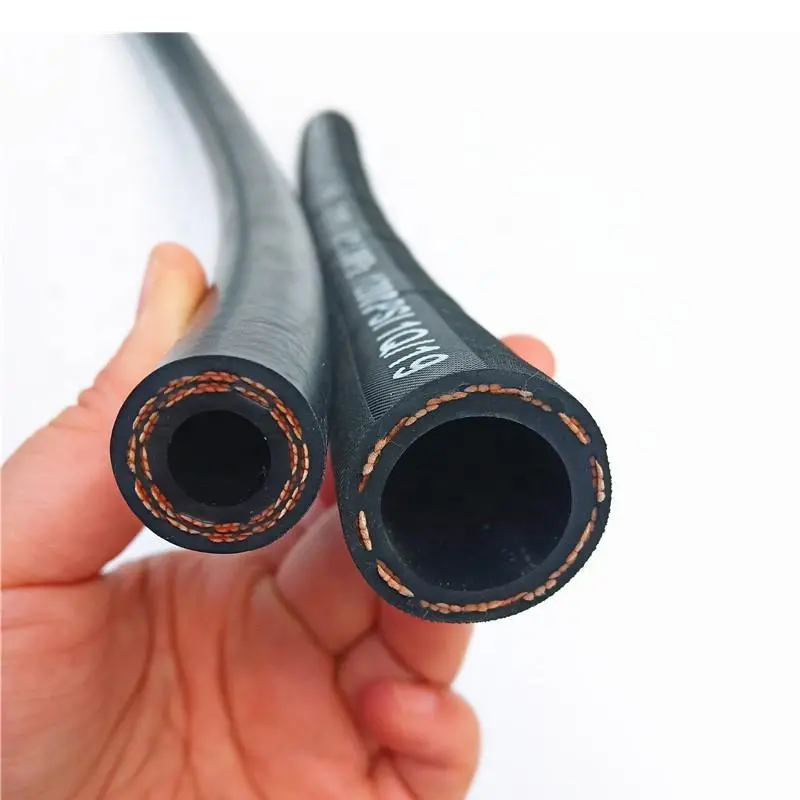
A large diameter high temperature rubber hose is built from three distinct functional layers. The inner tube must resist thermal degradation, chemical attack, and erosion. JIDONGDA uses EPDM (ethylene propylene diene monomer) for steam and hot water, FKM (fluoroelastomer) for aggressive hydrocarbons, and silicone compounds for dry, high‑heat environments. The reinforcement carcass typically combines high‑tensile steel wire helix with multiple plies of polyester or aramid cord, allowing the hose to withstand full vacuum and pressures up to 20 bar in sizes exceeding 12 inches. The outer cover is a weather‑ and ozone‑resistant rubber that also provides abrasion protection, often with a corrugated finish that enhances flexibility without kinking.
Why Diameter Matters in Hot Media Transfer
Moving beyond the standard 1‑inch to 2‑inch hoses found in OEM engine bays, large diameter versions—commonly 4 inch, 6 inch, 8 inch, 10 inch, 12 inch, and custom builds up to 24 inch—serve as main arteries in process plants. Flow velocity, pressure drop, and heat loss are all functions of internal cross‑section. Doubling the diameter reduces pressure loss by a factor of approximately sixteen for laminar flow conditions, which becomes critical when pumping viscous, heat‑sensitive fluids like heavy fuel oil or molten sulfur. JIDONGDA certifies every batch of hose with pressure decay and thermal cycling tests to guarantee that maximum working pressure is maintained over the full temperature spectrum.
FAQ
How do I know if my fluid is compatible with the hose tube material?
We reference the chemical compatibility data published by the elastomer manufacturers, most notably Parker’s O‑Ring Handbook chemical tables and DuPont’s Viton® resistance guide. For complex mixtures, JIDONGDA offers a laboratory immersion test: a sample of the planned tube compound is submerged in your actual process fluid at the hottest expected temperature for 168 hours. We then measure volume swell, hardness change, and tensile strength retention. If changes remain under 15%, the material is considered suitable. We provide a full report with a go/no‑go recommendation.
Can these hoses be used for full vacuum at high temperature?
Yes, but vacuum tolerance drops as temperature rises because the polymer matrix softens. A hose rated for 0.3 bar absolute at 20°C may only sustain 0.5 bar at 200°C. JIDONGDA provides a de‑rating chart for vacuum service. Every hose intended for vacuum is built with a spring steel helix that geometrically resists collapse, and we test every production batch with a vacuum pull to 0.2 bar absolute. If your process requires deep vacuum continuously, specify it during ordering so we can add a heavier gauge helix and additional ply layers.
How do temperature cycles affect the clamping force on hose fittings?
Thermal expansion and contraction can loosen bolted connections. For flanged assemblies operating above 150°C, JIDONGDA recommends a hot re‑torque procedure: run the system at full temperature for one hour, then shut down and retighten flange bolts to the target torque while the assembly is still warm. This seats the gasket and compensates for relaxation. A second re‑torque is advisable after 24 hours of continuous operation. Using spring washers or conical spring washers further helps maintain clamp load.
Do you provide third‑party certification and material traceability?
Every JIDONGDA hose assembly ships with a full material certificate and a hydrostatic test certificate. On request, we can arrange inspection by Lloyd’s Register, DNV, Bureau Veritas, or TÜV for an additional fee. Certificates include heat numbers for steel components, batch numbers for rubber compounds, and cure date stamps that tie back to our internal quality management system registered to ISO 9001:2015.urs. The emergency inventory is maintained at three global hubs: Houston, Rotterdam, and Singapore. This strategic placement has cut average emergency delivery time by 60% compared to ten years ago.


- View as
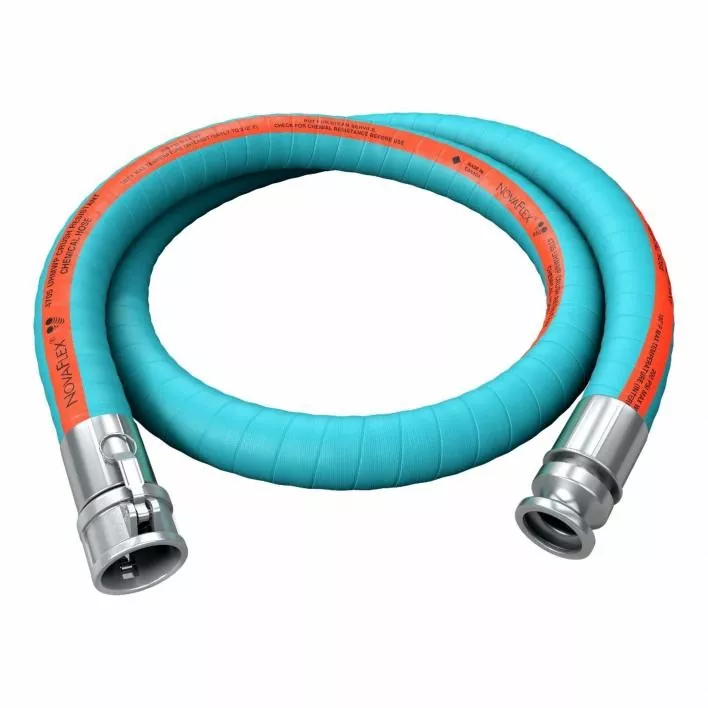
Large Diameter Chemical High Temperature Hose
As a professional Chinese manufacturer of industrial fluid-handling piping, JIDONGDA produces Large Diameter Chemical High Temperature Hose that overcome the limitations of traditional rigid metal pipes and standard flexible hoses—such as rapid aging, leakage, and installation difficulties—in environments characterized by high temperatures and severe corrosion. As a reliable global supplier, JIDONGDA offers tailored solutions and high-quality delivery services.

Large Diameter Steam Rubber Hose
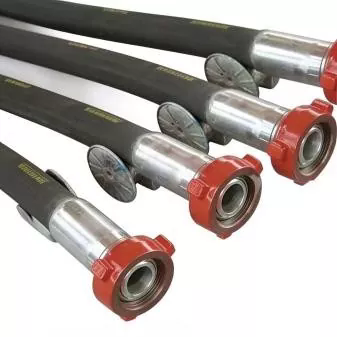
As a professional hose manufacturer with a complete in-house production line, JIDONGDA Large Diameter Steam Rubber Hose utilizes a high-temperature resistant EPDM/fluororubber inner layer combined with a multi-layer fiber + optional steel wire spiral reinforcement structure. It can reliably withstand high temperatures of 150℃~220℃, working pressures of 0.6–1.6MPa, and frequent thermal shock conditions. All batches undergo comprehensive testing for high temperature, burst pressure, pulse fatigue, and airtightness, ensuring zero leakage upon delivery. Customization of diameter, length, pressure, and flange fittings is supported, and it has been a stable supplier to numerous industrial customers worldwide.
JIDONGDA offers premium Large Diameter High Temperature Rubber Hose manufactured under strict quality standards with reliable delivery and competitive factory pricing. Contact us for more details.