English
- English
- Español
- Português
- русский
- Français
- 日本語
- Deutsch
- tiếng Việt
- Italiano
- Nederlands
- ภาษาไทย
- Polski
- 한국어
- Svenska
- magyar
- Malay
- বাংলা ভাষার
- Dansk
- Suomi
- हिन्दी
- Pilipino
- Türkçe
- Gaeilge
- العربية
- Indonesia
- Norsk
- تمل
- český
- ελληνικά
- український
- Javanese
- فارسی
- தமிழ்
- తెలుగు
- नेपाली
- Burmese
- български
- ລາວ
- Latine
- Қазақша
- Euskal
- Azərbaycan
- Slovenský jazyk
- Македонски
- Lietuvos
- Eesti Keel
- Română
- Slovenski
- मराठी
- Srpski језик
China Steel Wire Spiral Rubber Hose Supplier
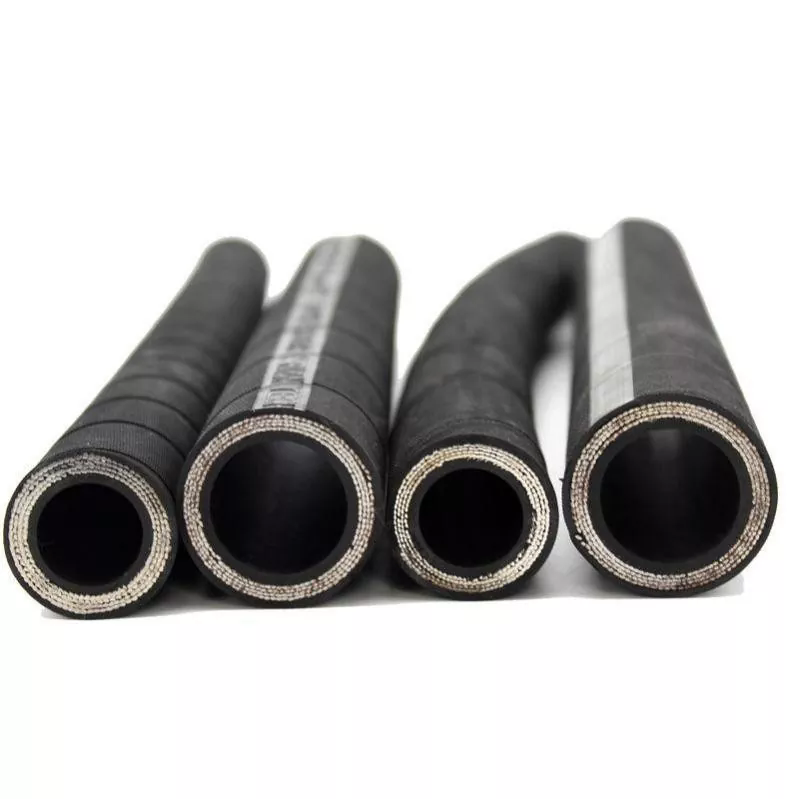
In demanding industrial and hydraulic applications, the need for a hose that can withstand extreme pressure, harsh environments, and constant flexing is non-negotiable. The steel wire spiral rubber hose is engineered precisely for these challenges. It is a high-performance hose constructed with multiple layers of high-tensile steel wire spiraled around an inner rubber tube, all encased in a durable synthetic rubber cover. This layered design gives it exceptional pressure resistance, excellent impulse life, and superior strength to handle high-flow hydraulic systems. From mining operations to heavy construction machinery, these hoses are the backbone of fluid power transmission where safety and reliability are paramount.
Key Advantages of Steel Wire Spiral Rubber Hose
- High Pressure Capacity: Designed for constant working pressures up to 42 MPa (6000 psi) and beyond, with a 4:1 safety factor, making them ideal for the most critical high-pressure circuits.
- Extreme Impulse Performance: The spiral reinforcement distributes stress evenly, exceeding 1,000,000 impulse cycles in standard testing, which reduces downtime and maintenance costs.
- Low Volumetric Expansion: Under pressure, the hose maintains its internal volume better than braided hoses, translating to faster system response and higher efficiency.
- Excellent Bend Radius: Despite their robust construction, modern spiral hoses offer reduced minimum bend radii, allowing for tighter routing without kinking or reducing service life.
- High Temperature Range: Standard hoses operate from -40°C to +100°C (-40°F to +212°F), with special compounds extending the range up to +121°C (+250°F) for high-temperature hydraulic applications.
- Abrasion and Environment Resistance: The tough outer cover withstands scuffing, cutting, and exposure to oils, chemicals, and outdoor elements, extending operational life in harsh conditions like quarries and logging sites.
Frequently Asked Questions
What is the difference between wire braid and wire spiral hydraulic hose?
Wire braid hoses have reinforcement layers of high-tensile wire woven in a crisscross pattern around the tube, typically in one, two, or three braids. They are flexible and suit medium-pressure systems. Steel wire spiral rubber hose uses multiple layers of wire wound in parallel at a specific angle, with alternating directions. This design significantly reduces elongation and is capable of handling much higher pressures (up to 42 MPa and beyond) with better impulse life. Spiral hoses also exhibit lower volumetric expansion, making them the preferred choice for high-pressure, high-flow applications where efficiency and response time are critical.
What does the SAE 100R12, R13, and R15 standard mean?
These are international standards set by the Society of Automotive Engineers (SAE) for spiral wire reinforced hydraulic hoses. SAE 100R12 covers 4-spiral wire hoses designed for high-pressure petroleum-based fluids and water emulsions, with working pressures ranging from 15 to 44.5 MPa. SAE 100R13 is a similar standard for larger diameter 4-spiral hoses, often used in heavy equipment. SAE 100R15 specifies 6-spiral layer hoses for ultra-high pressure systems, with working pressures up to 42 MPa even in larger bore sizes. JIDONGDA manufactures hoses that comply with these standards and often exceed their minimum impulse and pressure requirements.
How do I identify and select the correct spiral hose for my machine?
Start by checking the machine’s manual or the original hose specification. Note the required working pressure, minimum burst pressure, fluid type, temperature, and the required dash size (inner diameter). Match these to a JIDONGDA part number from our catalog. It’s also important to measure the bending radius required in the application. If the existing hose failed prematurely, ask our technical team to analyze the failure mode—whether it’s due to abrasion, impulse fatigue, incorrect routing, or fluid incompatibility—so we can recommend an upgraded or custom solution.
Does JIDONGDA offer custom lengths and assembly services?
Absolutely. We supply bulk hose in standard lengths (typically 50m/100m), but we also provide cut-to-length hose assemblies with factory-crimped JIDONGDA fittings. This service ensures perfect pressure integrity because the assemblies are pressure tested before shipping. For OEM users, we can also barcode each assembly, provide custom branding on covers, and include specific fitting configurations per your BOM.
What safety factors are built into JIDONGDA spiral hoses?
All JIDONGDA steel wire spiral hoses are designed with a minimum 4:1 safety factor between bursting pressure and maximum working pressure. Therefore, if a hose is rated at 35 MPa working pressure, the minimum burst pressure is 140 MPa. This safety margin accounts for dynamic pressure spikes, material aging, and slight manufacturing variability, providing a critical margin of safety for operators and equipment.


- View as
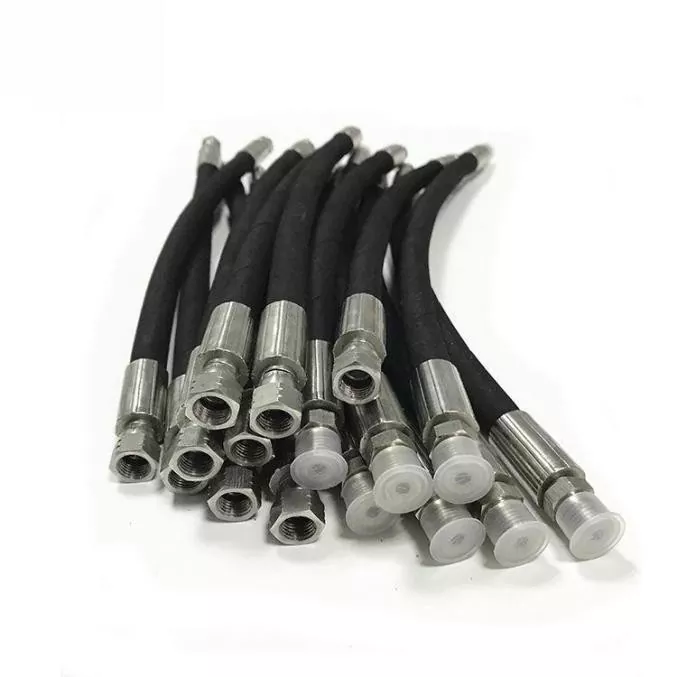
Six Layer Steel Wire Wound Hose
Model JIDONGDA Six Layer Steel Wire Wound Hose is designed specifically for use in particularly harsh conditions. Thanks to its design, which includes six layers of spiral-wound steel wire (with alternating directions), the hose reliably withstands ultra-high pressure, high-frequency pressure surges and constant impulse loads. As a professional hydraulic hose manufacturer in China, JIDONGDA carries out strict quality control at all stages of its own production. The company, known for the reliability of its products and individual approach to customers, occupies a leading position in the global market for equipment for the transportation of industrial liquids; Its products are widely used in high-tech industries such as mining, tunneling, marine engineering, metallurgy and energy.
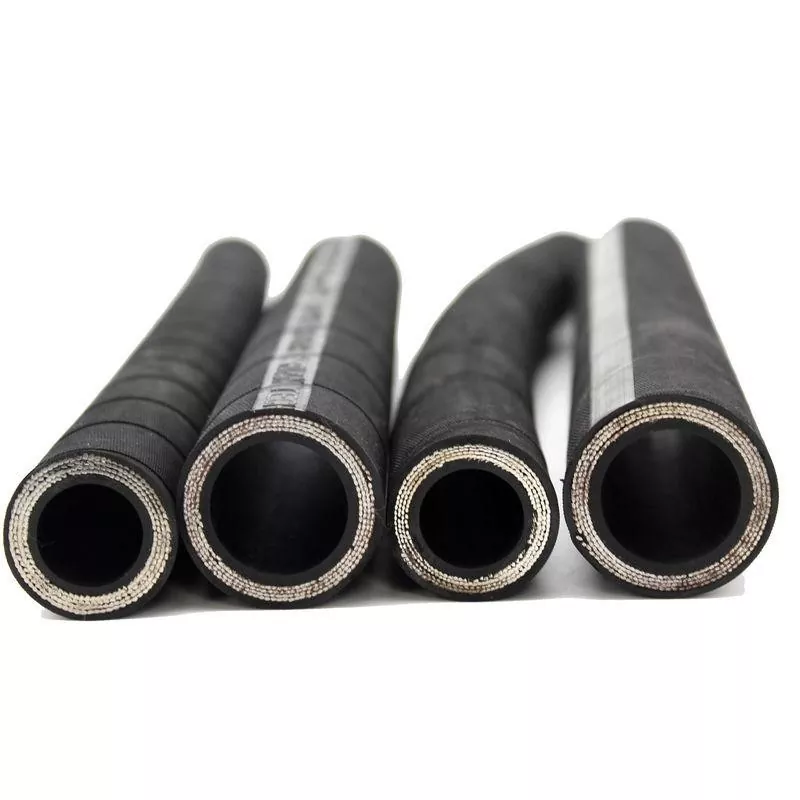
Four Layer Steel Wire Wound Hose
The JIDONGDA Four Layer Steel Wire Wound Hose is a specialized hydraulic hose designed for ultra-high-pressure environments, high-impulse loads, and heavy-duty service. As an experienced manufacturer in the hydraulic piping sector, we operate a standardized production facility in China and manufacture products in strict accordance with international SAE, DIN, and EN standards, delivering reliable solutions to industrial clients worldwide. Featuring a four-layer steel-wire spiral reinforcement design, the hose offers key advantages—such as resistance to pressure, shock loads, and aging, along with an extended service life—making it ideal for applications in machinery manufacturing, metallurgy, mining, and marine engineering.
JIDONGDA offers premium Steel Wire Spiral Rubber Hose manufactured under strict quality standards with reliable delivery and competitive factory pricing. Contact us for more details.