RubberManufacturer
Why Partner with JIDONGDA?
Your Trusted Industrial Rubber & Plastic Solutions Specialist
  • Global Hub, Local Edge

    Based in Jing County—China's premier rubber industrial base—we deliver supply chain efficiency and cost advantages via top-tier R&D and local cluster resources.

  • Engineered for Extremes

    High-pressure hoses with superior fatigue resistance and extended life—keeping your critical operations running longer with less downtime.

  • Heavy-Duty Solutions, Worldwide

    From hydraulic hoses to conveyor belts and custom gaskets, our certified products serve engineering, mining, petrochemical, and marine industries.

  • Quality You Can Trust

    "Quality First" culture backed by rigorous testing and strict controls—ensuring defect-free products and complete transaction security.

About Us

Hengshui Dongda Rubber&Plastic Products Co., Ltd.

Hengshui Dongda Rubber&Plastic Products Co., LTD., is located in historical and cultural city Jing County, in the southeast of Hebei province, close to the Beijing and Tianjin region. The transportation is very convenient, with Jingjiu, Shide railway in this intersection, Beijing-Fuzhou expressway, 106 national highway through here. In 2007 Jing County approved by the China rubber industry association, named as "China (Jing Zhou) rubber&plastic industry base". At present, the base has become a domestic and international famous rubber and plastic pipe and its associated products center of research development, manufacturing, processing and distribution.

View More
About Us
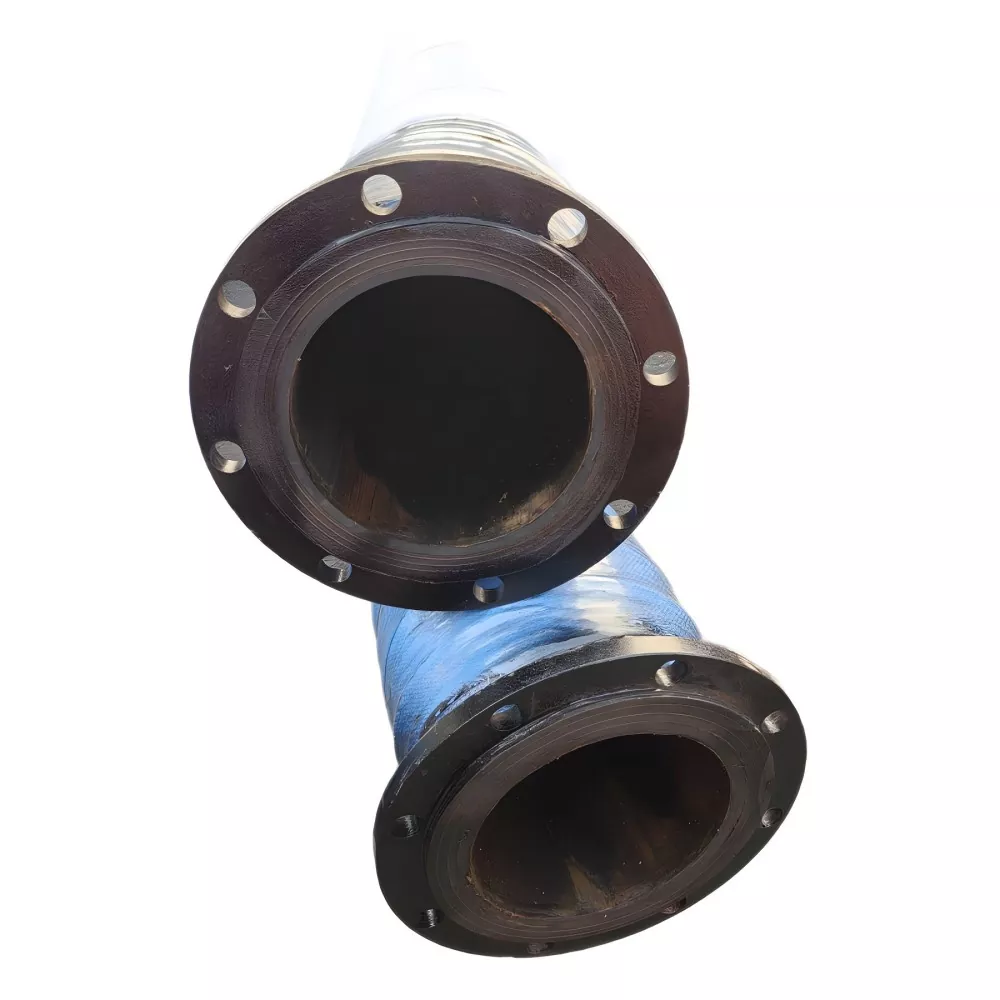
Large Diameter Rubber Hose

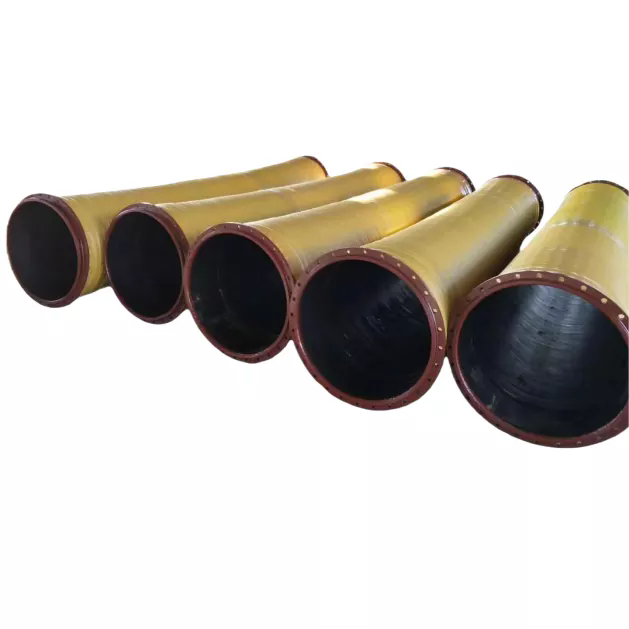
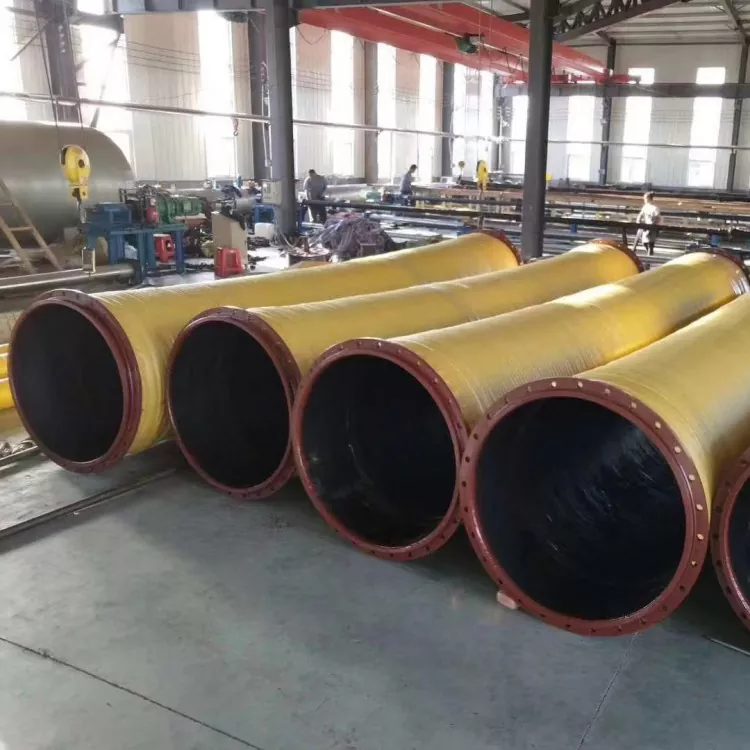
Large Diameter Rubber Hose plays a critical role in industries where high-volume fluid transfer is non-negotiable. At JIDONGDA, we have dedicated over two decades to perfecting these hoses for mining, construction, agriculture, and marine sectors. Our engineering focuses on withstanding extreme pressures, abrasive materials, and harsh weather while maintaining flexibility and longevity.

Understanding the technical demands, JIDONGDA large diameter rubber hose solutions integrate premium natural and synthetic rubber compounds with advanced reinforcement layers. This design ensures resistance to corrosion, aging, and sudden pressure spikes. We emphasize a smooth interior lining to minimize friction loss, directly improving operational efficiency in slurry pumping, dredging, and water discharge applications.

Core Parameters

Precision in dimensions and material composition defines our product line. Below, we break down the standard specifications that guide selection for engineers and procurement managers. Note that every parameter can be tailored for specialized project requirements.

  • Inner Diameter Range: From 4 inches (102 mm) up to 48 inches (1219 mm), covering most industrial suction and discharge needs.
  • Pressure Rating: Working pressure from 0.3 MPa to 2.5 MPa, with burst pressure safety factors typically set at 3:1 or 4:1 based on application.
  • Temperature Resilience: Standard hoses endure -20°C to 80°C, while heat-resistant versions extend up to 120°C for steam or hot oil transfer.
  • Liner Material: Options include NR/SBR blend for general abrasion, NBR for oil resistance, and EPDM for chemical and weather endurance.
  • Reinforcement Layers: High-tensile polyester fabric, steel wire helix, or multiple textile plies embedded within the rubber wall for structural integrity.
  • Cover Properties: Abrasion-resistant, ozone-resistant, and UV-stabilized synthetic rubber to protect against environmental degradation.
  • Length Availability: Standard lengths of 20 meters or 61 meters, with custom cuts and flange-ended assemblies prepared in-house.
  • Vacuum Rating: Full vacuum capability for suction applications, ensured by the rigid helix wire integrated into the hose wall.

Applications Across Industries

The versatility of JIDONGDA large diameter rubber hose products stems from adaptable engineering. Below are primary sectors where these hoses prove indispensable.

  • Mining and Mineral Processing: Transporting tailings, concentrate slurries, and process water across long distances. The abrasion-resistant liner handles sharp, heavy particles without rapid wear.
  • Dredging Operations: Suction and discharge of sand, gravel, and silt from rivers, harbors, and seabeds. The hose’s flexibility accommodates the constant motion of dredge vessels and floating pipelines.
  • Agricultural Irrigation and Drainage: Large-scale water transfer from reservoirs to fields, as well as flood control pumping. The hose’s lightweight design relative to its bore size simplifies deployment and retrieval.
  • Construction Site Dewatering: Removing groundwater or stormwater from excavations, foundations, and tunnels. The full vacuum rating ensures consistent suction even with high lift requirements.
  • Marine and Offshore: Ballast water transfer, bilge pumping, and oil spill response. Special oil-resistant and fire-retardant covers meet stringent maritime safety regulations.
  • Industrial Liquid Waste Management: Handling corrosive effluents and chemical byproducts in treatment plants. EPDM liners provide excellent resistance to a wide range of pH levels.
  • Power Generation: Cooling water intake and discharge lines for thermal power plants. The hoses endure constant water flow and moderate temperatures without scaling or degradation.

Advantages of Choosing JIDONGDA as Your Hose Supplier

Selecting a supplier for large diameter rubber hose involves evaluating more than just the product itself. JIDONGDA integrates service, testing, and logistics to deliver complete reliability.
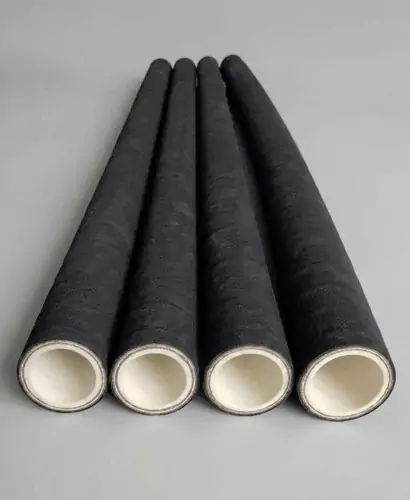
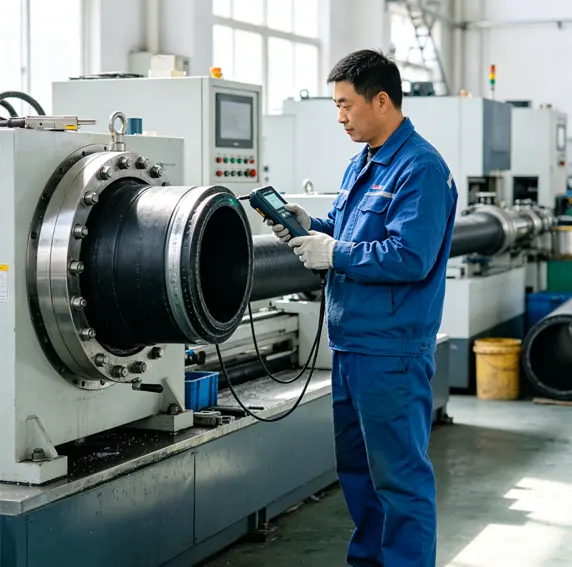
  • Factory Direct Quality Control: Our in-house lab conducts rheometer tests, tensile strength analysis, and abrasion resistance trials daily. Customers receive detailed test certificates with each shipment.
  • Custom Engineering Support: We deploy engineers to assess on-site conditions, recommend optimal hose configurations, and design special end connections that reduce installation complexity.
  • Global Logistics Expertise: Hoses are packed in protective wraps and shipped via breakbulk or containerized methods to any major port worldwide. Our documentation team ensures smooth customs clearance.
  • Competitive Total Cost of Ownership: Extended service intervals and low maintenance requirements offset the initial investment. Many clients report three to five times longer life compared to generic alternatives.
  • Rapid Prototype Development: For unique projects, we can produce sample hoses within 15 days, allowing field testing before full-scale manufacturing commences.


High Pressure Rubber Hose
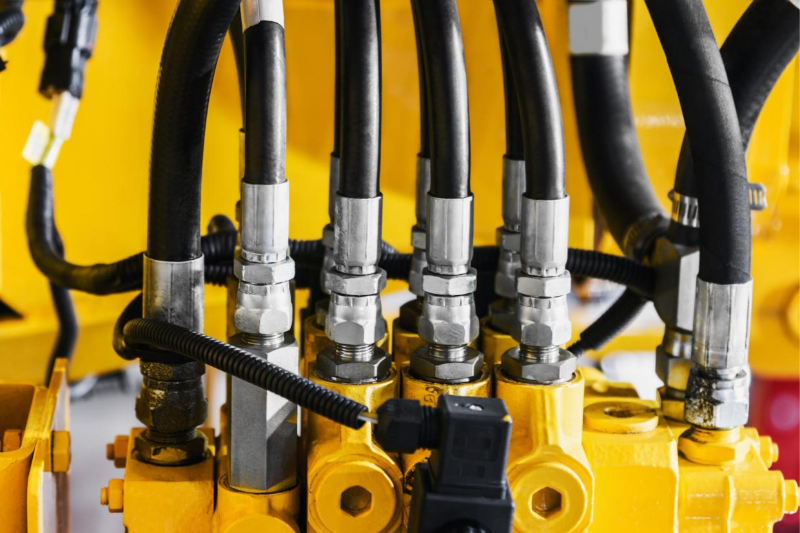
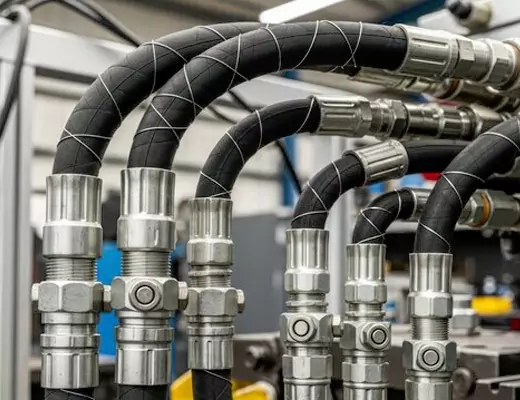
High Pressure Rubber Hose stands as a critical component in countless industrial, hydraulic, and pneumatic systems. Its ability to convey fluids, gases, and abrasive materials under extreme pressures while maintaining flexibility makes it indispensable. Understanding the design parameters, material compositions, and reinforcement technologies behind these hoses is essential for selecting the right product and ensuring operational safety. 

Core Construction

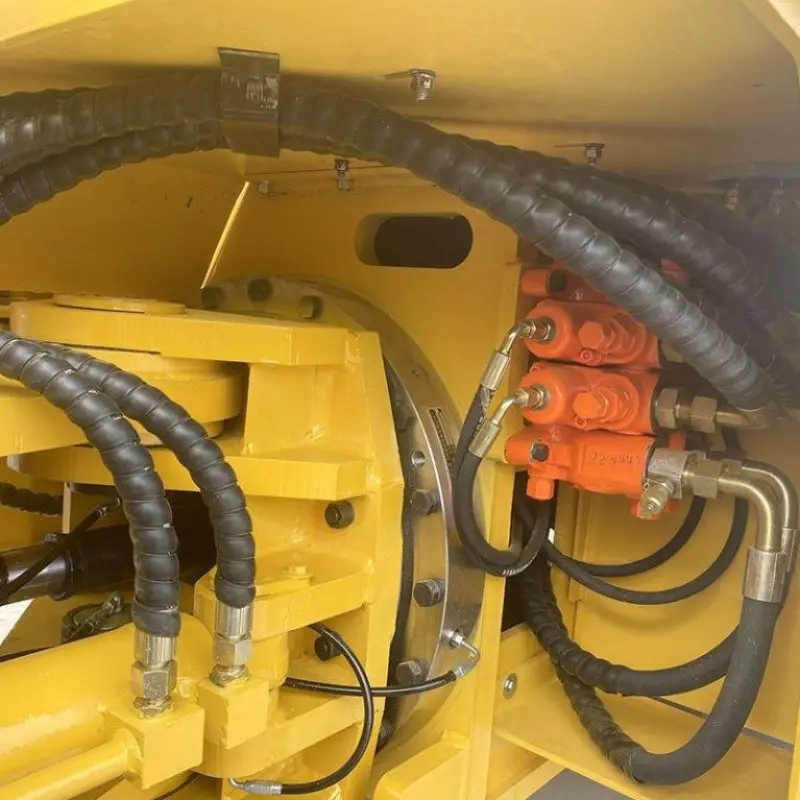
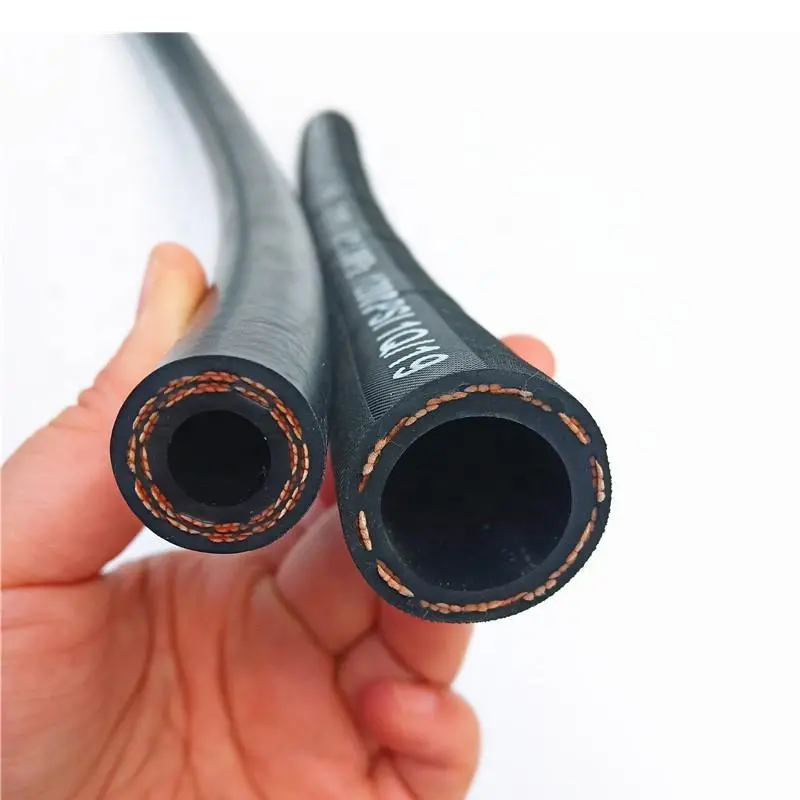
Every high pressure rubber hose is built around a three-layer structure engineered for durability and reliability under stress. The inner tube, reinforcement layer, and outer cover work together to handle intense working pressures, resist chemical degradation, and withstand environmental wear.
  • Inner tube: Formulated from synthetic rubber compounds such as NBR (nitrile), EPDM, SBR, or neoprene. The choice depends on the fluid being conveyed. NBR excels in oil and fuel resistance, while EPDM handles high-temperature water and steam. JIDONGDA uses custom blended compounds to achieve optimal compatibility with hydraulic oils, water-based fluids, and aggressive chemicals.
  • Reinforcement layer: This is the heart of the pressure-bearing capability. Multiple layers of high-tensile steel wire braid or spiral-wound steel wire are embedded in the rubber. Some designs use textile braiding for moderate pressure. For extreme high pressure requirements, four or six layers of spiral wire reinforcement are common. JIDONGDA hoses feature tightly controlled braiding angles and wire tensions to maximize burst strength while preserving flexibility.
  • Outer cover: Provides abrasion, ozone, weather, and oil resistance. Typically made from neoprene or synthetic rubber with additional surface treatments. JIDONGDA’s covers are designed with a smooth or wrapped finish, and special MSHA-approved covers are available for mining applications.

Frequently Asked Questions

What safety factors should I apply when choosing a high pressure rubber hose?
Industry standard is a 4:1 safety factor between burst pressure and maximum working pressure. However, dynamic applications with pressure spikes or impulse cycles often require a higher factor, such as 5:1 or 6:1. JIDONGDA engineering team can help calculate the right safety margin based on pump ripple, acceleration, and the system’s pressure profile. Never exceed the manufacturer’s published working pressure, and always consider temperature derating.
How does temperature affect a rubber hose’s performance?
As temperature rises, the rubber compounds soften and the reinforcement’s strength can diminish. For example, an NBR hose rated 4,000 psi at 100°C might only sustain 3,200 psi at 120°C. JIDONGDA provides derating curves in their technical catalogs. For continuous high-temperature use above 120°C, consider hoses with HNBR or EPDM inner tubes and proper insulation. Low temperatures can make rubber brittle; a rated -40°F hose must still be handled carefully near that limit.
What standards do JIDONGDA rubber hoses comply with?
JIDONGDA hoses are manufactured to meet or exceed SAE 100R series, EN 853, EN 856, ISO 1436, ISO 3862, and DIN 20022/20023. Many hoses also carry MSHA approvals for mining. Full certifications and batch test reports are provided upon request.
How do I correctly measure the length of a high pressure rubber hose assembly?
Measure from sealing face to sealing face along the centerline of the hose, including fitting ends. Allow for routing bends and thermal expansion. JIDONGDA offers a measurement guide and can fabricate custom assemblies on-site. Using the correct length prevents undue stress on fittings and extends service life.
What causes rubber hose failure and how can I prevent it?
Common failure modes include: internal tube erosion from high fluid velocity (exceeding recommended flow), reinforcement fatigue from excessive pressure surges, external abrasion from rubbing against other hoses or machine parts, and chemical incompatibility causing swelling or hardening. Prevent failures by using JIDONGDA’s application worksheet to match hose to fluid and pressure, installing protective sleeves or hose guards in harsh areas, and implementing a regular inspection regimen.


Metal Hose
Metal Hose

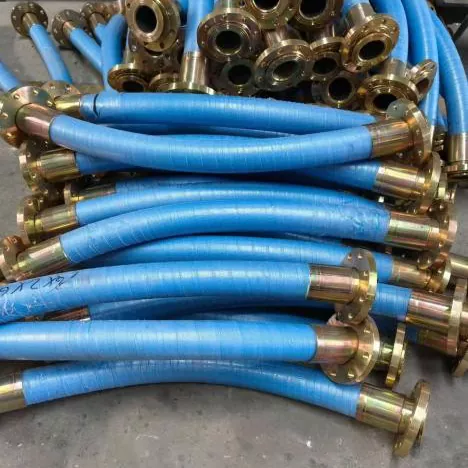
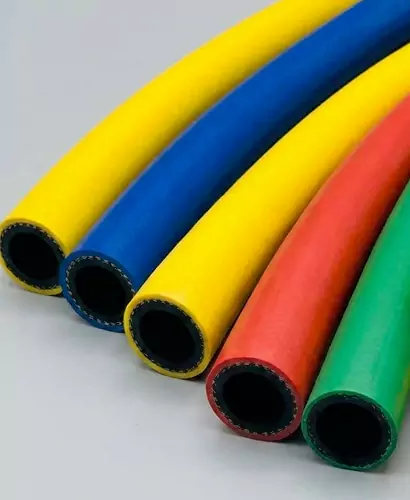
The Metal Hose serves as a fundamental component in countless industrial, commercial, and residential fluid transfer systems. Engineered to absorb vibration, compensate for thermal expansion, and correct misalignment, these flexible conduits ensure safe, reliable operation under demanding conditions. JIDONGDA has advanced the design and manufacturing of metal hose assemblies through rigorous material selection, precision corrugation processes, and thorough end fitting integration.
Key Product Parameters and Configurations

  • Nominal Diameter (DN): Ranges from DN6 (1/4 inch) to DN300 (12 inches) and beyond for large-scale industrial piping.
  • Working Pressure (PW): Typically from full vacuum to 350 bar depending on diameter, number of braid layers, and corrugation thickness.
  • Burst Pressure (PB): Engineered with a safety factor of 4:1 relative to working pressure for standard assemblies.
  • Temperature Range: Standard stainless steel assemblies operate from -200°C to +600°C; high-temperature alloys extend this to 800°C or more.
  • Bend Radius: Static and dynamic minimum bend radii are specified per diameter to prevent overstress.
  • Flexibility & Stroke Length: Defined by axial compression, extension, lateral offset capacity, and angular movement.
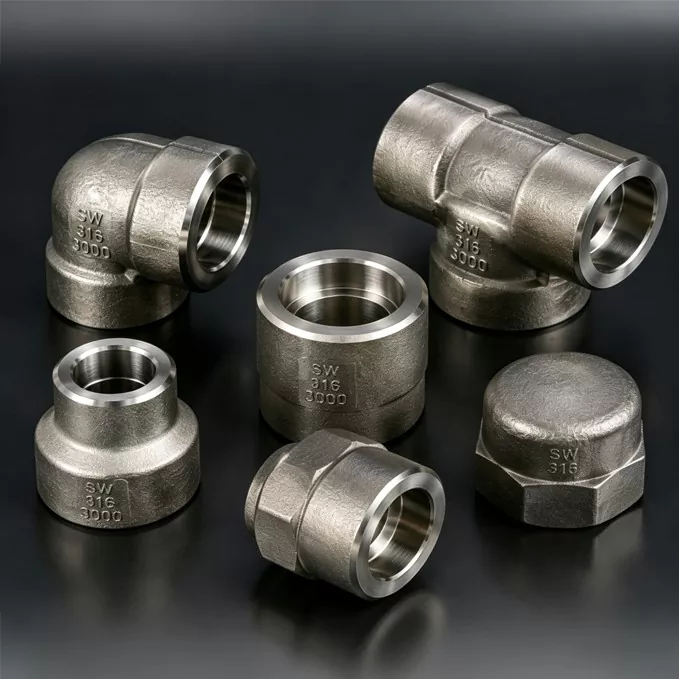
  • End Fittings: Flanged, threaded, weld ends, sanitary, camlock, or custom designs.

Frequently Asked Questions

What is the difference between annular and helical corrugated metal hose, and which does JIDONGDA recommend?
Annular corrugated hose consists of a series of uniform, parallel rings, offering superior flexibility, a tighter bend radius, and higher pressure capacity due to more effective braid reinforcement. Helical corrugated hose has a continuous spiral profile, generally providing lower flexibility and pressure ratings but sometimes lower cost for non-critical static applications. JIDONGDA primarily manufactures annular corrugated hose because it delivers better overall performance, longer fatigue life, and compatibility with full-vacuum conditions. For applications that do not demand high flexibility, helical versions can be supplied on request after a careful engineering review.
How do I determine the correct length of a metal hose assembly for vibration absorption?
For vibration absorption, the assembly must be long enough that the imposed motion does not force the hose to bend below its dynamic minimum bend radius. The live length—the portion of the hose free from end fitting constraints—should be at least 10 times the nominal diameter for simple lateral vibration, and longer when both vibration amplitude and frequency are high. JIDONGDA's application engineers can perform a motion analysis using your displacement data to recommend the precise free length required, preventing premature fatigue failure.
Can a metal hose be used under full vacuum without collapsing?
Yes, JIDONGDA annular corrugated hoses with full braid coverage are rated for full vacuum service. The corrugation profile is specifically designed so that the external braid prevents squirming or buckling when internal pressure falls below atmospheric pressure. For critical high-vacuum applications in elevated temperature, the system should be reviewed to confirm that the material maintains sufficient strength. In such cases, a liner may be incorporated to ensure structural stability.
What causes braid wear and how can it be prevented?
Braid wear predominantly results from abrasion against adjacent structures, rubbing from excessive motion, or fretting between the braid and the corrugated core. Inter-braid contact during cyclic movement can also generate localized wear. Preventive measures include installing the hose with adequate clearance, using protective outer covers such as interlock armor or silicone jackets, and avoiding installation layouts that cause braid-to-braid or braid-to-structure contact. JIDONGDA can factory-fit protective sleeves that significantly extend assembly life in abrasive environments.
How are JIDONGDA assemblies tested before shipment?
Every assembly undergoes a hydrostatic pressure test at 1.5 times the rated working pressure, with a hold time according to international standards. For gas service, a pneumatic test under controlled conditions is performed. Additional non-destructive testing, such as dye penetrant inspection on welds, positive material identification (PMI), and helium leak detection, is available upon request. Burst testing on sample assemblies from each production batch is regularly conducted to validate design margins. Certificates of conformance and test reports are standard documentation.


Non-Metallic Hose
Non-Metallic Hose

The Non-Metallic Hose is a fundamental component in modern fluid handling, chemical transfer, pneumatic conveying, and vacuum systems. Engineered from advanced polymers, elastomers, and reinforced composites, a Non-Metallic Hose overcomes many limitations of rigid metal piping and flexible metal hoses, such as corrosion, fatigue cracking, and excessive weight. JIDONGDA has refined the design and manufacturing of non-metallic hoses over two decades, delivering products that combine high flexibility, exceptional chemical resistance, and long service life. 

Core Advantages

  • Superior Corrosion Resistance: Thermoplastic and elastomer liners are inherently resistant to acids, alkalis, solvents, and saline solutions that rapidly degrade stainless steel and galvanized steel.
  • Lightweight Construction: Non-Metallic Hose assemblies often weigh 60-70% less than equivalent metal hoses, reducing structural load and enabling faster manual handling on site.
  • Fatigue and Vibration Dampening: Polymer structures absorb pulsations, water hammer, and mechanical vibration, preventing premature failure at connection points.
  • Electrical Insulation: Many non-metallic materials provide high dielectric strength, making them ideal for applications near transformers, railway traction equipment, and explosive atmospheres.
  • Tighter Bend Radius: Composite Non-Metallic Hose designs allow bending without kinking, simplifying installation in confined spaces.
  • Hygienic and Smooth Bore Options: PTFE, silicone, and food-grade PVC hoses offer extremely smooth inner surfaces that prevent bacterial growth, satisfy FDA and EU 1935/2004 requirements, and facilitate CIP/SIP cleaning.

Application

  • Chemical Dosing and Transfer: PTFE and NBR hoses safely convey concentrated acids (HCl, H₂SO₄), caustic soda, solvents, and pharmaceutical intermediates without leaching or degradation. Integrated grounding wires in anti-static designs prevent charge accumulation in explosive atmospheres (ATEX zone 1/2).
  • Food and Beverage: Silicone and polyurethane non-metallic hoses meet FDA and EU food contact regulations. They handle dairy products, beer, wine, edible oils, and high-purity water with no taint transfer. Smooth bore designs allow hygienic connections and minimize product retention.
  • High-Temperature Steam and Hot Oil: Specially compounded EPDM and silicone hoses withstand saturated steam up to 165°C and hot oil transfer, reducing insulation requirements compared to metal piping.
  • Agriculture and Irrigation: PVC and composite non-metallic hoses are UV-stabilized and algae-resistant, delivering water and liquid fertilizers across large pivots and drip systems. Their lightweight nature enables quick seasonal deployment and retrieval.
  • Pneumatic and Vacuum Conveying: Reinforced polyurethane and UHMWPE hoses handle abrasive granules, plastic pellets, sawdust, and powders. The anti-static versions safely dissipate static build-up during high-speed material flow.
  • Marine and Offshore: Non-Metallic Hose assemblies with EPDM or neoprene covers resist salt spray, UV, and oil splashes, serving as potable water lines, gray water discharge, and engine room coolant connections on ships and platforms.
  • Laboratory and Biopharma: Ultra-pure PTFE and platinum-cured silicone hoses are essential for WFI loops, chromatography, media transfer, and single-use assemblies in bioprocessing, where leachables and extractables must be minimized.

JIDONGDA’s Quality Control and Custom Manufacturing

Every Non-Metallic Hose leaving the JIDONGDA factory is the result of stringent process controls, from incoming raw material rheological analysis to final assembly burst testing. Our test bench capabilities include hydrostatic pressure testing up to 400 bar, vacuum collapse testing, electric continuity checks (for anti-static grades), and UV/ozone accelerated aging chambers. JIDONGDA holds ISO 9001:2015 and ISO 14001 certifications, and our cleanroom environment (Class 100,000) is dedicated to silicone and PTFE hose production for biopharma clients. We offer rapid prototyping for custom hose dimensions, special color covers, hybrid materials, and multi-laminate constructions that no standard catalog can cover. Short delivery times and technical support from our application engineers make JIDONGDA a trusted partner for global distributors and original equipment manufacturers alike.

For projects that require extensive documentation, 3D hose routing support, or sample testing against aggressive media, JIDONGDA invites you to contact our engineering team with your technical specification. Our material scientists will recommend the optimal Non-Metallic Hose configuration and provide a complete test protocol and lifecycle analysis, helping you achieve operational reliability without overspecifying costly exotic alloys.

Case

Proven performance across diverse industrial applications

Send Inquiry

News

Stay informed with our latest company news and industry insights