English
- English
- Español
- Português
- русский
- Français
- 日本語
- Deutsch
- tiếng Việt
- Italiano
- Nederlands
- ภาษาไทย
- Polski
- 한국어
- Svenska
- magyar
- Malay
- বাংলা ভাষার
- Dansk
- Suomi
- हिन्दी
- Pilipino
- Türkçe
- Gaeilge
- العربية
- Indonesia
- Norsk
- تمل
- český
- ελληνικά
- український
- Javanese
- فارسی
- தமிழ்
- తెలుగు
- नेपाली
- Burmese
- български
- ລາວ
- Latine
- Қазақша
- Euskal
- Azərbaycan
- Slovenský jazyk
- Македонски
- Lietuvos
- Eesti Keel
- Română
- Slovenski
- मराठी
- Srpski језик
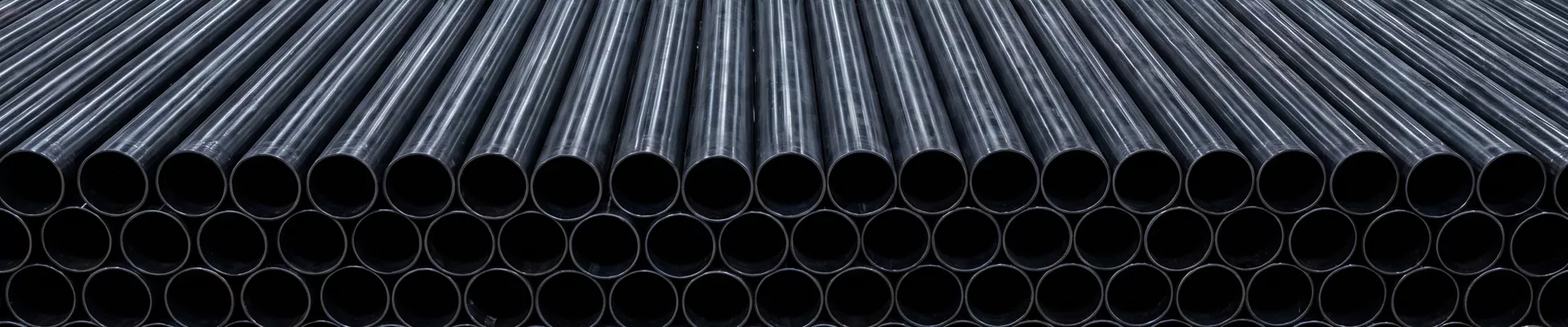
China Durable Steel Wire Braided Rubber Hose Manufacturer
When reliability under pressure defines your operation, the choice of hose becomes critical. The Steel Wire Braided Rubber Hose stands as a proven solution for demanding hydraulic, pneumatic, and industrial fluid transfer applications. This engineering-grade hose integrates a resilient inner rubber tube with high-tensile steel wire braiding, delivering a unique balance of flexibility, strength, and long-term durability. Whether you manage heavy machinery, mobile equipment, or factory fluid lines, specifying the right hose prevents downtime and protects personnel.
Why Choose JIDONGDA Rubber Hose
JIDONGDA has refined the manufacturing process through advanced spiral winding and braiding technology, guaranteeing consistency in every production batch. Our in-house testing lab performs 100% impulse testing, leak detection, and dimensional verification to exceed SAE specifications. The proprietary rubber compounds deliver superior oil resistance and aging protection, which translates directly into fewer replacements and lower total cost of ownership. Global certifications including ISO 9001:2015 and product marks like CE and MSHA reinforce the quality promise you can rely on.
Beyond the hose itself, JIDONGDA provides complete assembly solutions — from precision crimped fittings to factory-installed end connections. Each assembly is matched to the working pressure, temperature, and application environment discussed with our engineers, eliminating compatibility guesswork.
Frequently Asked Questions
What is a steel wire braided rubber hose used for?
It is primarily used to convey high-pressure hydraulic fluids in mobile and industrial equipment. Its construction handles dynamic pressure spikes and provides robust mechanical protection, making it ideal for hydraulic lifts, power steering, construction machinery, and oil transfer lines where flexible, long-lasting connections are essential.
How does steel wire braided rubber hose differ from spiral wire hose?
The main difference lies in the reinforcement pattern. Braided hose uses interwoven wire strands providing good flexibility and impulse resistance, suitable for medium to high pressures. Spiral wire hose contains multiple layers of helically wound wire, delivering higher pressure capabilities but with reduced flexibility and larger bend radius. Braided hose is typically more cost-effective for standard hydraulic applications.
Can I use a standard steel wire braided hose for high-temperature fluids?
Standard rubber covers typically withstand up to +212°F (+100°C). For temperatures beyond that, you need specially compounded high-temperature hoses. JIDONGDA offers high-temperature variants with upgraded inner tubes and covers that can operate continuously up to +300°F (+149°C) without hardening or losing pressure capacity. Always consult the temperature rating chart for your specific hose model.
What fittings are compatible with steel wire braided rubber hoses?
Fittings must match the hose’s construction and the system port. Common permanent crimp fittings with JIC 37° flare, NPT, ORFS, BSP, JIS, and metric ends are widely used. JIDONGDA supplies matching steel fittings with precise crimp specifications to ensure the assembly meets or exceeds the hose’s working pressure rating. Never mix brands or use bands that are not validated for the specific hose construction.
How often should I inspect and replace my hydraulic hoses?
Inspection should be performed before each shift in heavy-duty applications, and at least monthly in most industrial environments. Look for leaks, loose connections, abrasion, cracking, or stiffness. Even without visible damage, the industry standard recommends replacing hydraulic hoses every 1 to 2 years due to material fatigue. JIDONGDA hoses are engineered for extended life, but scheduled preventive replacement is the safest practice.
Is a steel wire braided rubber hose suitable for suction applications?
No, standard braided rubber hose is not designed for vacuum or suction. It lacks a rigid helix or internal support to prevent collapse under negative pressure. For suction lines, you should use a dedicated suction hose with a helical wire reinforcement. Attempting to use a pressure-rated braided hose on the suction side can lead to immediate failure and pump damage.
Does JIDONGDA offer custom lengths and assemblies?
Absolutely. You can order bulk hose by the foot or ready-to-connect assemblies cut to exact length with factory crimped fittings. Our team can also incorporate specialized covers, non-standard end configurations, and tagging to match your fleet maintenance program. Just provide your operating parameters and preferred connection types.


- View as
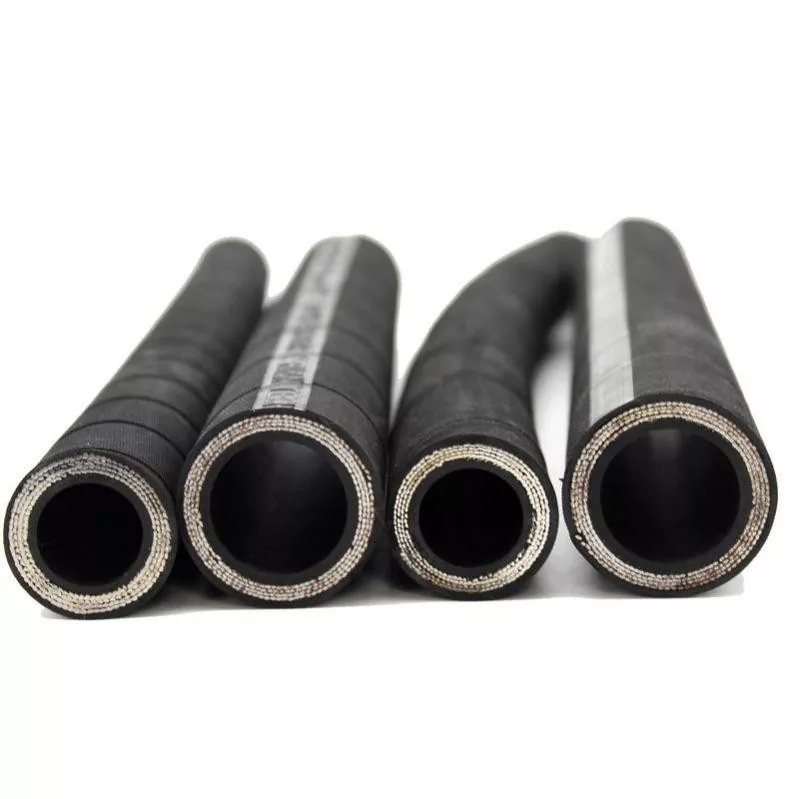
High Pressure Oil Hose
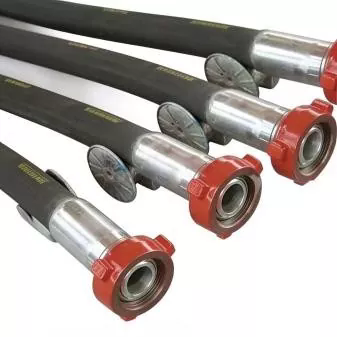
The High Pressure Oil Hose series serves as a critical component in fluid power transmission systems within hydraulic power units. These hoses ensure the reliable transport of media—such as hydraulic and lubricating oils—under conditions involving high pressure, high-frequency pulsation, and mechanical vibration. JIDONGDA is a Chinese manufacturer and supplier of high-pressure hoses, operating its own standardized production facility. Featuring a composite design that combines multi-layer steel wire reinforcement with oil-resistant rubber, these products are engineered for demanding industrial environments and can be manufactured to either custom specifications or international standards.
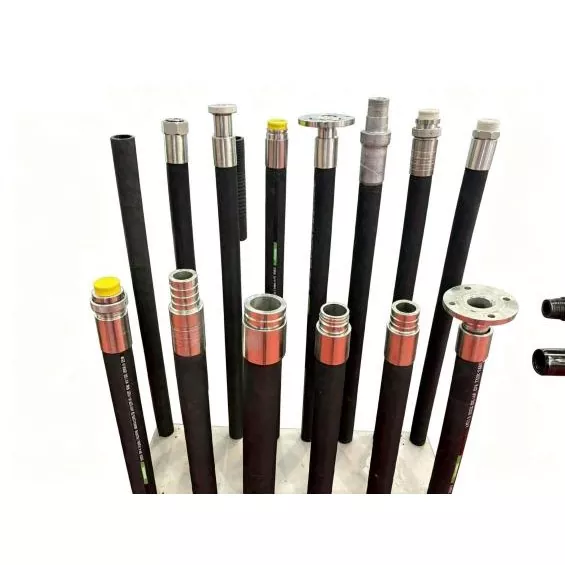
Hydraulic Hose Assembly
The JIDONGDA Hydraulic Hose Assembly is a highly reliable, critical component designed to transport high-pressure fluids within hydraulic systems. Manufactured from high-quality rubber and reinforced with high-strength steel wire, the product complies with international SAE and EN standards. It has undergone rigorous testing for high-pressure resistance, impulse load endurance, and connection integrity, demonstrating key advantages such as excellent pressure resistance, flexibility, broad compatibility, and a long service life; custom lengths and fittings are also available. As a high-tech product from a professional manufacturer, this hose is widely used in construction, mining, and agricultural machinery, the oil and gas and marine sectors, and industrial hydraulic equipment. Thanks to optimized manufacturing processes and strict quality control, the product ensures reliable and durable fluid transfer for customers worldwide.
JIDONGDA offers premium Steel Wire Braided Rubber Hose manufactured under strict quality standards with reliable delivery and competitive factory pricing. Contact us for more details.