English
- English
- Español
- Português
- русский
- Français
- 日本語
- Deutsch
- tiếng Việt
- Italiano
- Nederlands
- ภาษาไทย
- Polski
- 한국어
- Svenska
- magyar
- Malay
- বাংলা ভাষার
- Dansk
- Suomi
- हिन्दी
- Pilipino
- Türkçe
- Gaeilge
- العربية
- Indonesia
- Norsk
- تمل
- český
- ελληνικά
- український
- Javanese
- فارسی
- தமிழ்
- తెలుగు
- नेपाली
- Burmese
- български
- ລາວ
- Latine
- Қазақша
- Euskal
- Azərbaycan
- Slovenský jazyk
- Македонски
- Lietuvos
- Eesti Keel
- Română
- Slovenski
- मराठी
- Srpski језик

How Does a Braided Metal Hose Improve Industrial Fluid Transfer Performance?
Article Summary
A braided metal hose is a critical component used in many industrial systems where flexibility, durability, and resistance to harsh operating conditions are required. This article explains how braided metal hoses work, why industries choose them over conventional hoses, what problems they solve, and how to select the right solution for demanding applications. With advanced manufacturing experience, JIDONGDA provides reliable braided metal hose solutions designed to improve system safety, efficiency, and service life.
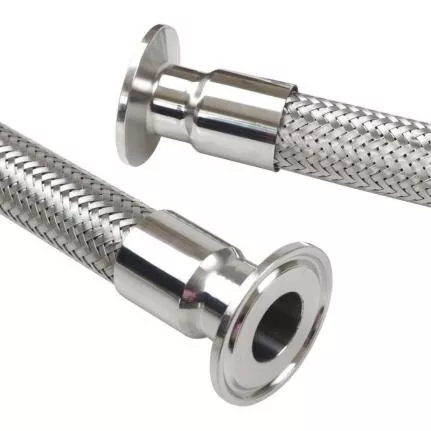
Table of Contents
- 1. Overview of Braided Metal Hose Technology
- 2. How Does a Braided Metal Hose Work?
- 3. Key Advantages of Using Braided Metal Hoses
- 4. Common Industrial Applications
- 5. How to Select the Right Braided Metal Hose
- 6. Common Problems and Practical Solutions
- 7. Maintenance Tips for Longer Service Life
- 8. Frequently Asked Questions
1. Overview of Braided Metal Hose Technology
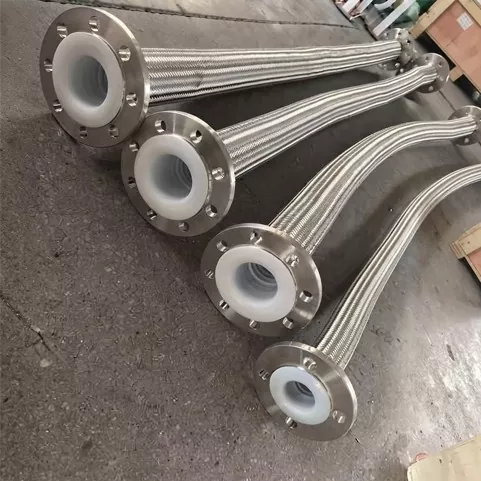
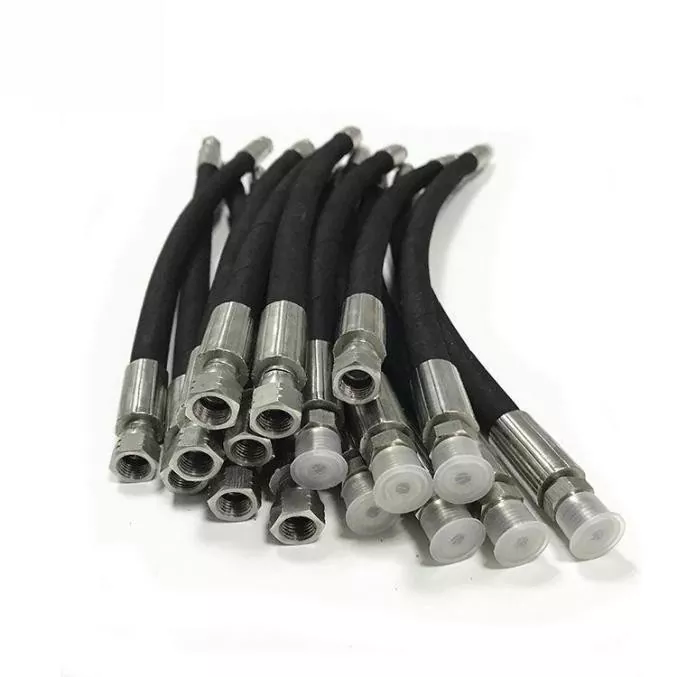
A braided metal hose is a flexible piping component manufactured with a metal inner tube and an external braided wire layer. It is designed to transport liquids, gases, steam, and other media while handling vibration, pressure fluctuations, temperature changes, and mechanical movement.
Unlike traditional rubber or plastic hoses, braided metal hoses offer outstanding resistance against extreme environments. They maintain structural stability under high temperatures, high pressures, and corrosive conditions, making them an essential solution for industries that require dependable fluid connection systems.
Modern manufacturing processes allow braided metal hoses to achieve improved flexibility without sacrificing strength. JIDONGDA focuses on producing high-quality hose solutions that meet different industrial requirements, helping customers reduce equipment downtime and improve operational reliability.
Basic Structure of a Braided Metal Hose
- Inner Metal Tube: Provides the main flow channel and withstands pressure from transported media.
- Braided Wire Layer: Reinforces the hose structure and improves pressure resistance.
- End Connections: Ensure secure installation with different industrial equipment.
- Protective Components: Enhance durability in demanding working environments.
2. How Does a Braided Metal Hose Work?
The working principle of a braided metal hose is based on combining flexibility with mechanical reinforcement. The inner metal tube allows fluid movement, while the braided wire layer absorbs external forces and prevents excessive expansion caused by internal pressure.
When a system experiences vibration, thermal expansion, or equipment movement, the hose can bend and adjust its position without damaging connected components. This flexibility reduces stress on pipelines and equipment joints.
For example, in industrial machinery, fixed pipes may experience cracks due to continuous vibration. A braided metal hose works as a flexible connection element, absorbing movement and protecting the entire system.
| Component | Main Function | Customer Benefit |
|---|---|---|
| Metal Inner Tube | Transfers fluid safely | Improves chemical and temperature resistance |
| Braided Wire Cover | Provides reinforcement | Handles higher pressure conditions |
| Flexible Structure | Absorbs movement | Reduces equipment stress |
| Connection Fittings | Links equipment systems | Ensures installation reliability |
3. Key Advantages of Using Braided Metal Hoses
Many industries face challenges such as equipment vibration, pressure instability, extreme temperatures, and frequent maintenance requirements. A properly designed braided metal hose provides an effective solution for these issues.
- Excellent Pressure Resistance: The braided reinforcement structure helps the hose withstand high-pressure applications while maintaining performance.
- High Temperature Capability: Metal construction allows operation in environments where ordinary hoses may deteriorate.
- Superior Flexibility: The hose can absorb movement caused by thermal expansion and mechanical vibration.
- Long Service Life: Durable materials reduce replacement frequency and maintenance costs.
- Corrosion Resistance: Stainless steel options provide reliable performance when exposed to aggressive media.
For companies searching for a dependable connection solution, JIDONGDA develops braided metal hoses that balance flexibility, strength, and safety for various industrial environments.
4. Common Industrial Applications
Braided metal hoses are widely used across industries because they can handle challenging working conditions. Their ability to manage pressure, temperature, and movement makes them suitable for many applications.
| Industry | Application Example | Why Braided Metal Hose Is Used |
|---|---|---|
| Petrochemical | Gas and chemical transfer systems | Provides corrosion and pressure resistance |
| Automotive | Engine and exhaust connections | Handles vibration and high temperatures |
| Food Processing | Sanitary fluid transportation | Supports clean and reliable operation |
| Manufacturing Equipment | Hydraulic and pneumatic systems | Reduces stress caused by movement |
| Energy Industry | Steam and fuel systems | Maintains stability under harsh conditions |
5. How to Select the Right Braided Metal Hose
Choosing the correct braided metal hose requires careful consideration of operating conditions. Incorrect selection may lead to leakage, reduced performance, or premature failure.
Important Selection Factors:
- Operating Pressure: Select a hose that can safely handle the maximum system pressure.
- Temperature Range: Confirm that the material can withstand both normal and extreme temperatures.
- Fluid Compatibility: Ensure the hose material is suitable for the transported medium.
- Connection Type: Choose fittings that match existing equipment requirements.
- Installation Environment: Consider vibration levels, bending requirements, and available installation space.
6. Common Problems and Practical Solutions
| Common Issue | Possible Cause | Solution |
|---|---|---|
| Leakage | Incorrect installation or damaged fittings | Check connections and select suitable specifications |
| Reduced Flexibility | Excessive bending or improper installation | Follow recommended bending radius requirements |
| Surface Damage | External impact or harsh environment | Use protective measures and proper installation methods |
| Short Service Life | Wrong material selection | Choose a hose designed for the working medium |
7. Maintenance Tips for Longer Service Life
Although braided metal hoses are designed for durability, proper maintenance helps maximize performance and prevent unexpected failures.
- Inspect the hose regularly for surface damage, corrosion, or abnormal deformation.
- Avoid twisting the hose during installation because this can weaken the structure.
- Ensure the operating pressure stays within the recommended range.
- Replace damaged components immediately to prevent system risks.
- Keep installation areas clean and free from unnecessary mechanical impact.
8. Frequently Asked Questions
Q1: What materials are commonly used for braided metal hoses?
Stainless steel is one of the most commonly used materials because it provides excellent strength, corrosion resistance, and temperature performance.
Q2: Can braided metal hoses handle high-pressure applications?
Yes. The reinforced braided layer improves pressure resistance, making these hoses suitable for demanding industrial systems.
Q3: How long can a braided metal hose last?
Service life depends on operating conditions, installation methods, material selection, and maintenance practices. Proper selection can significantly extend performance.
Q4: Why choose JIDONGDA for braided metal hose solutions?
JIDONGDA combines manufacturing expertise, quality control, and customized production capabilities to provide reliable braided metal hose products for different industrial applications.
Conclusion
A braided metal hose plays an important role in modern industrial systems by providing a flexible, durable, and safe connection solution. Its ability to withstand pressure, temperature changes, vibration, and challenging environments makes it a preferred choice for many industries.
By selecting the correct specification and working with an experienced manufacturer like JIDONGDA, businesses can improve equipment reliability, reduce maintenance requirements, and achieve safer fluid transfer performance.
If you need a reliable braided metal hose solution customized for your application, please contact us today. JIDONGDA is ready to provide professional support and high-quality products to meet your industrial connection needs.
Related News
- Why Should You Choose a Stainless Steel 316L Ferrule for Reliable, Corrosion-Resistant Piping Connections
- How Can a Large Diameter Flexible Flanged Rubber Hose Improve Heavy-Duty Pipeline Connections
- How Can a Double Sphere Rubber Expansion Joint Improve Pipeline Flexibility and Vibration Control
- How Can a Corrugated Metal Expansion Joint Improve the Reliability of High-Temperature Piping Systems
- Why Is Fillet Weld Fitting an Essential Choice for Reliable Industrial Piping Connections
- How Can a Fillet Weld Fitting Improve the Strength, Stability, and Reliability of Industrial Piping Systems
Leave me a message